As I sit here in 2026, thinking about the horror landscape, my mind drifts back to that familiar feeling—the one of pulling a worn VHS or a bargain-bin DVD from a dusty shelf. There's a specific magic to it, a blend of camp, derivative tropes, and genuine shlock that warms the heart of any genre fan. For years, Dead by Daylight captured a sliver of that magic for me. Its original killers were like loving, if imperfect, homages—familiar shapes cast in a new, eerie light by Behaviour's own stamp. They were never the greats, no, not like the silent, stalking Shape of Michael Myers or the relentless force of Jason Voorhees, but they added curious, twisted verses to the horror canon. They felt like they belonged in that same musty, comforting bin.
The Fog Clears, Revealing a New Path
Lately, though, that feeling had become… diluted. Dead by Daylight transformed. It became a sprawling, chaotic carnival—a Fortnite of horror, if you will. Its own soul, that gritty, atmospheric identity I fell for, seemed buried beneath an avalanche of collaborations and crossover icons. The game became a goofy, sometimes wonderful, but often disjointed amalgamation. It was fun, but it lost the eerie, focused heartbeat that once made it essential. So, when The Casting of Frank Stone was announced, a collaboration between Behaviour and the masters of interactive drama at Supermassive Games, I felt a spark of that old magic reignite. This wasn't just another skin or a new map; this was a declaration, a most unabashed return to the roots. It promised to step back into the very atmosphere that first cemented the game's place in my library.
Why Originality is the Sharpest Knife
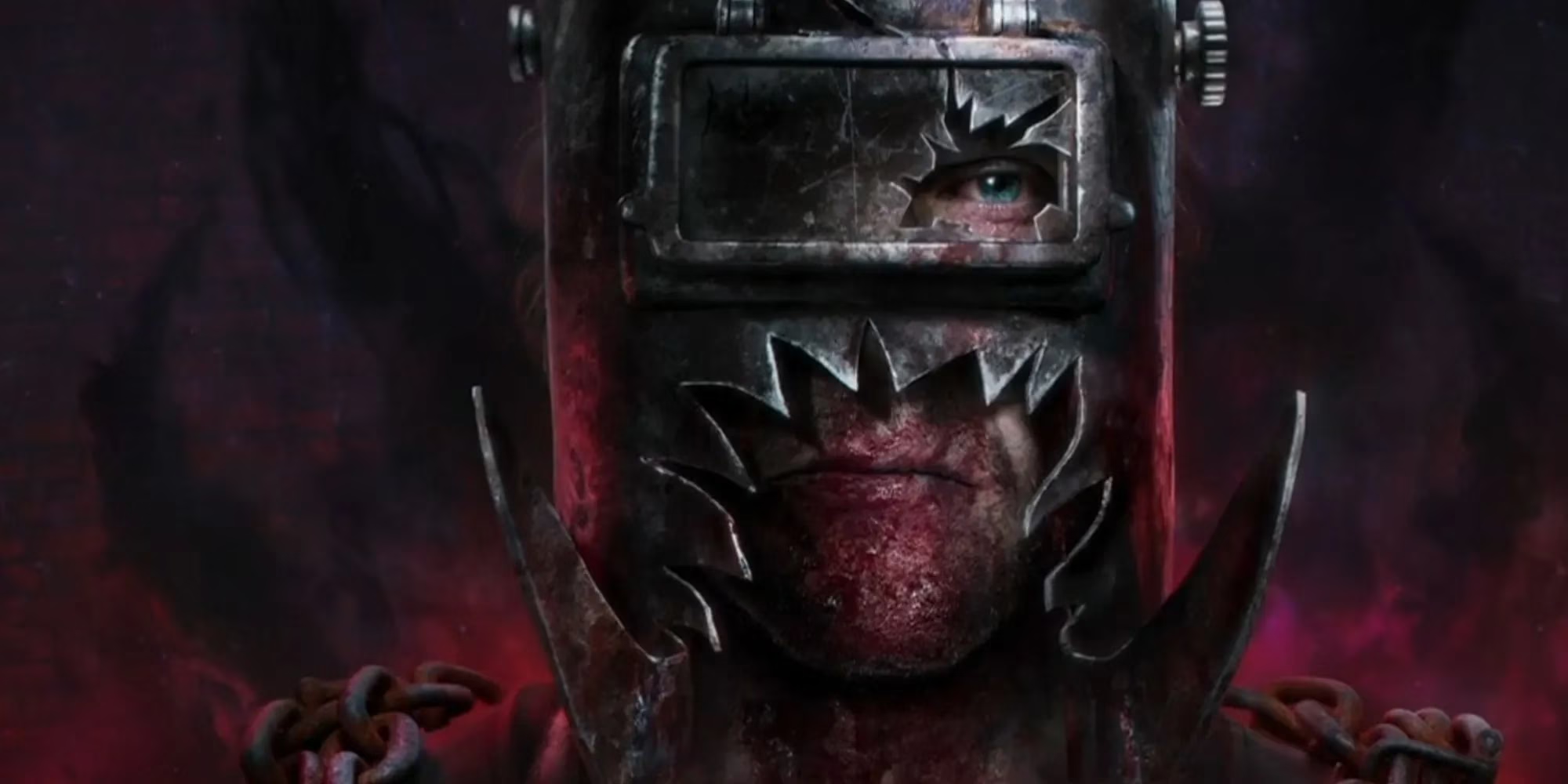
This decision to forge a completely new story, centered on an original killer named Frank Stone, is the most thrilling aspect. Imagine the alternative—a Supermassive-style narrative game crammed with licensed icons:
-
Ghostface taunting from the shadows.
-
Chucky cackling and stabbing at ankles.
-
Pinhead unraveling the fabric of reality.
-
Freddy Krueger invading dreams.
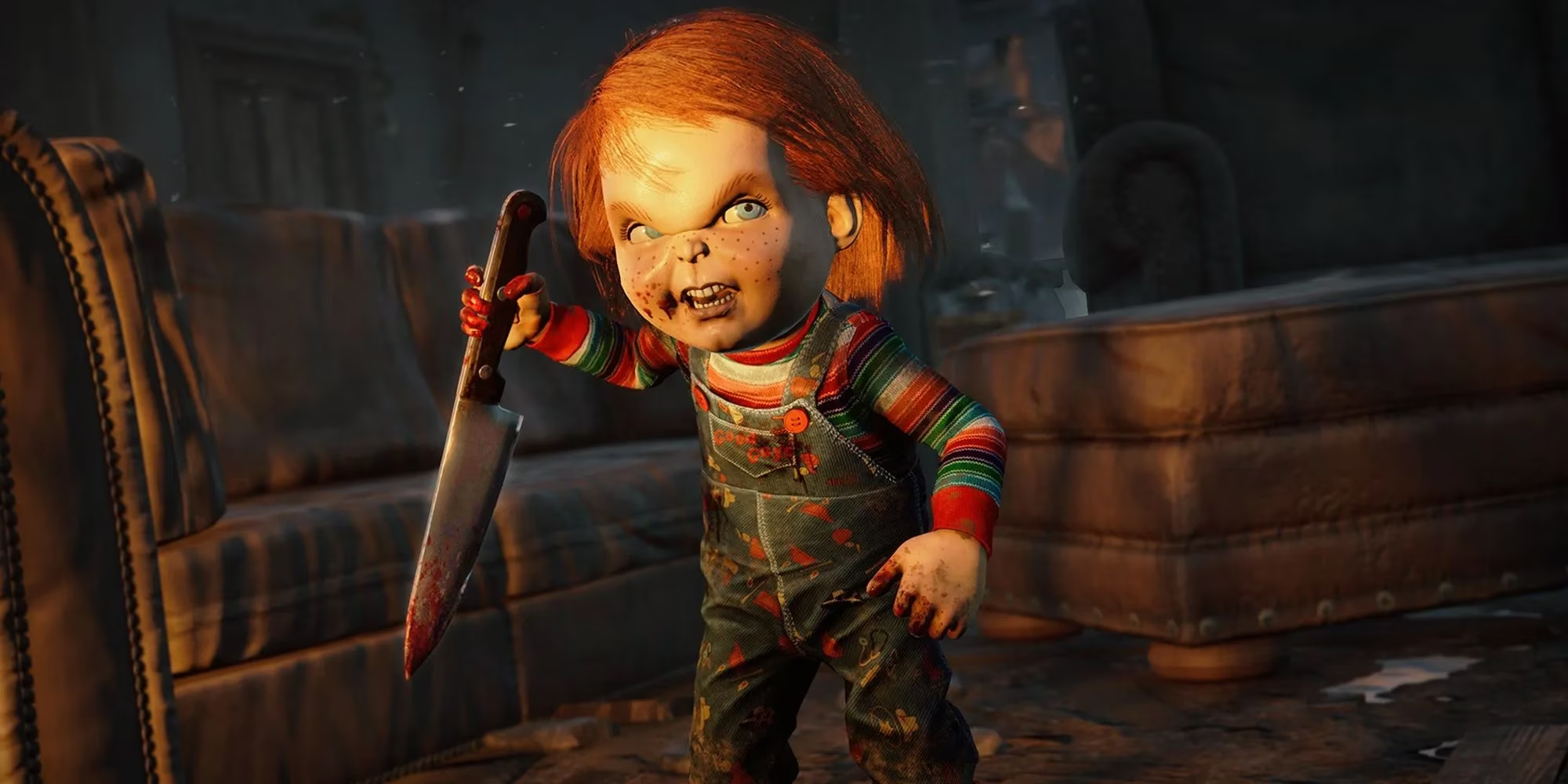
It sounds like a fan's dream on paper, but in practice, it would be a narrative and logistical nightmare. A Supermassive game lives and dies by its story and the weight of your choices. Throwing a box of action figures into the mix would create a cacophonous mess. Each iconic villain demands spotlight, motive, and a reason to be there. The story would become a convoluted series of hoops to jump through, a licensing puzzle rather than a cohesive tale. In the main Dead by Daylight, the hook is the simple, visceral goal of escape; the "why" of the ensemble cast is secondary to the gameplay loop. But here, the "why" is everything. A meaningful, character-driven narrative with such established figures is a Hercanean task, destined to satisfy no one fully.
The Beauty of a Blank Canvas: Frank Stone
By creating Frank Stone, Supermassive and Behaviour have gifted themselves a blank, terrifying canvas. They are not boxed in by decades of existing lore, fan expectations, or licensing restrictions. They can build purely on Dead by Daylight's core aesthetic—that guttural, industrial, uncomfortably intimate atmosphere of its early days—and weave something new. The mere description sends shivers that feel authentically of that world:
| Element | Description | Why It Works |
|---|---|---|
| Setting | A small industrial American town, an Oregon steel mill. | It's grounded, claustrophobic, and ripe with the metallic scent of dread. |
| Premise | A serial killer's past horrors are manifesting, altering reality itself. | It's classic psychological and supernatural horror, allowing for mind-bending, reality-warping scares. |
| Characters | A cast of intrepid teens (Supermassive's bread and butter). | It focuses the story on relatable human fear and choice, not iconography. |
This sounds exactly like the kind of synopsis I'd devour on a horror wiki page for an original character, or read in a five-star Letterboxd review for a hidden gem. It's unashamed, glorious horror shlock—the kind both studios have always paid homage to in their DNA. The pairing isn't just logical; it's poetic.
A Personal Hope for Horror's Future
In 2026, where crossovers and shared universes often dominate the conversation, The Casting of Frank Stone feels like a quiet, powerful rebellion. It's a reminder that horror, at its best, isn't just about recognizing a mask or a glove. It's about the slow creep of unease, the personal dread of a bad choice, and the discovery of something new and terrifying. By choosing to be smaller in scale and narrower in focus, they are aiming for something far greater: a story with its own soul. To dilute this potent cocktail with needless IP cameos would have been a tragic undermining of its potential. I am, truly, ever thankful that we are getting something completely original instead. It feels like reaching into that bargain bin once more, not knowing what you'll find, but trusting in the grime, the grain, and the genuine love of the genre to deliver a fresh nightmare. And that is a feeling worth preserving.
Comments