
In 2026, Dead by Daylight remains the premier asymmetric horror experience, pitting a relentless Killer against four Survivors who must repair generators and escape before the Entity claims them. While any Survivor can equip meta perks to stay alive, the Support Survivor aims to elevate the entire team. Much like MMO healers or controllers, these builds sacrifice personal safety for coordinated advantages – turning the tide with every unhook, heal, and distraction. Crafting a Support Survivor requires understanding not just perks, but map awareness, Killer psychology, and the delicate rhythm of altruism.
🕵️ The Support Mindset: Eyes Everywhere
Support Survivors thrive on information. Instead of simply avoiding the Killer, they track totems, movement patterns, and generator progress so their team can act with confidence. A survivor roaming the map with purpose, scanning for hexes or dying teammates, is no longer just a runner – they are the eyes of the group.
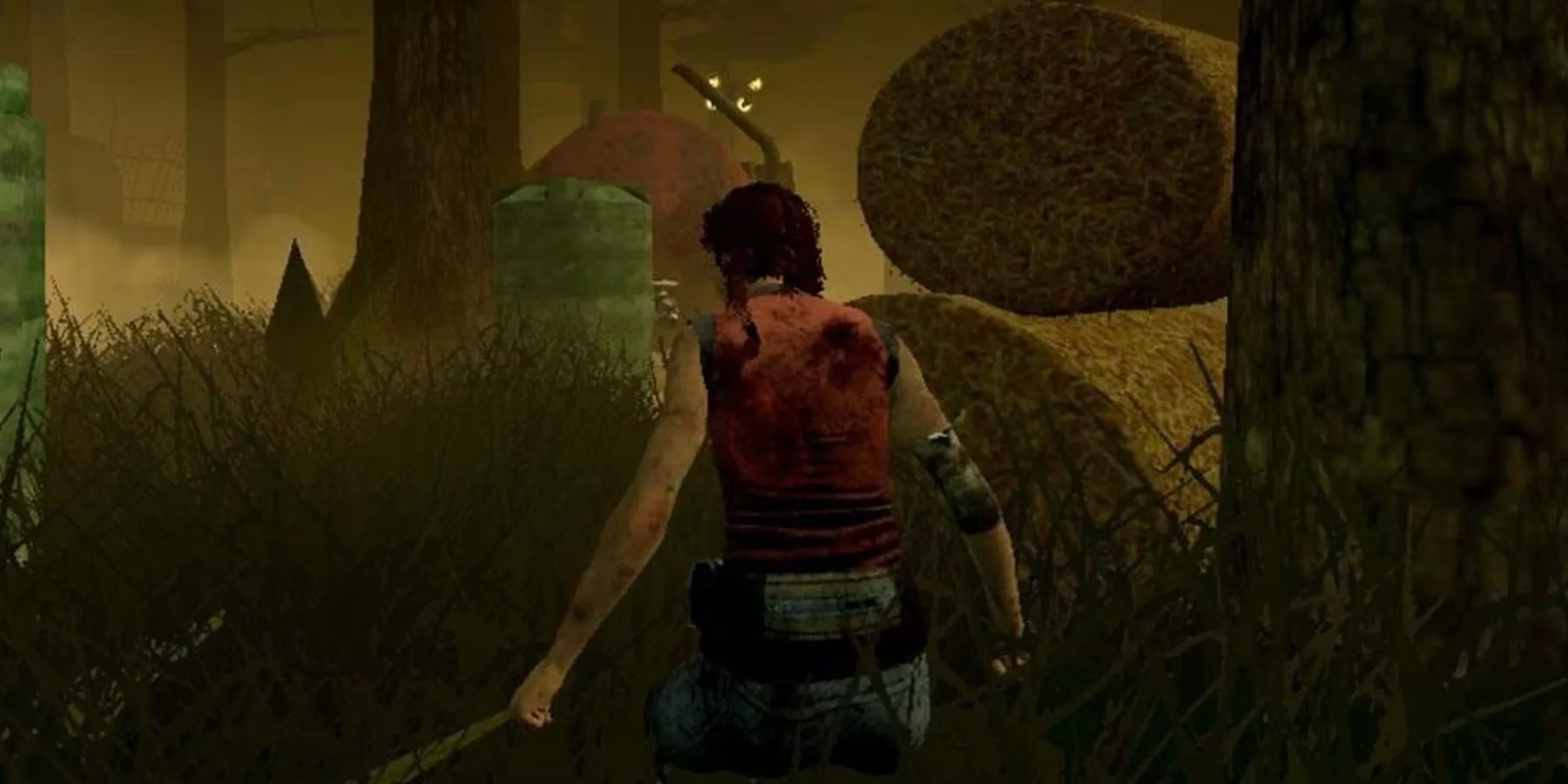
In 2026’s evolved meta, detection perks remain crucial. Small Game provides an auditory cue when facing a totem, gaining tokens to narrow detection angles with each cleanse. Detective’s Hunch (David Tapp) reveals generator, chest, and totem auras for several seconds after completing a generator – a must for coordinated teams. Counterforce (Jill Valentine) not only speeds up totem cleansing by 20% but also shows the aura of the farthest totem, granting relentless hex destruction. Support Survivors who spot and neutralize the Killer’s perks before they become a threat embody the true meaning of proactive defense.
🏃 Speed and Chase Support: Baiting the Predator
One of the most impactful Support roles involves becoming the designated chase-taker. By drawing the Killer away from injured allies or nearly finished generators, a speed-oriented survivor buys precious seconds. This playstyle uses speed buffs to prolong loops and frustrate the Killer into abandoning the chase.
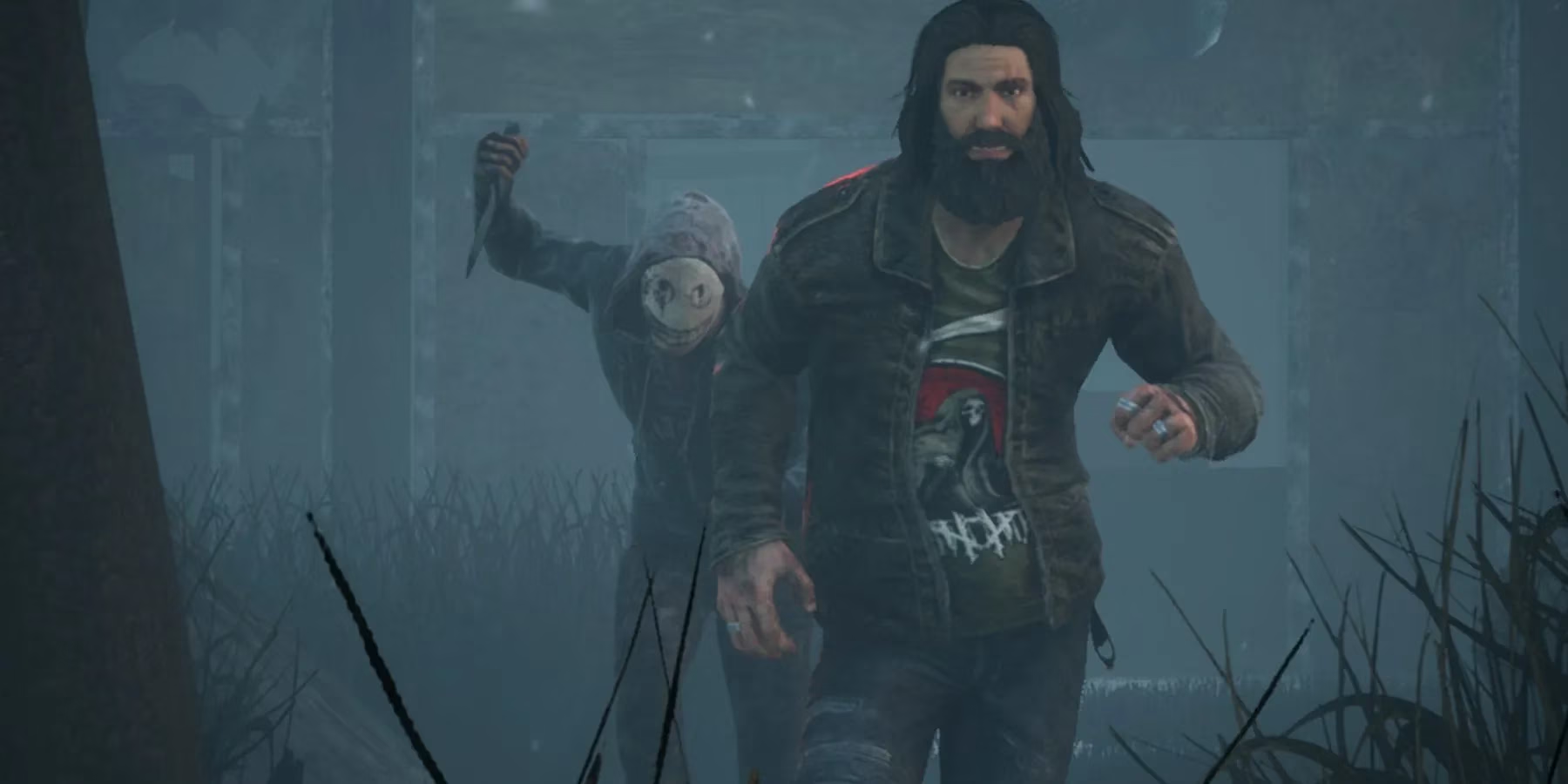
For those who love the thrill of a loop, core perks include Sprint Burst (Meg Thomas) for a 150% speed boost when starting to sprint, and Lithe (Feng Min) to gain the same boost after a rushed vault. Meanwhile, Fixated (Nancy Wheeler) allows walking 20% faster and seeing one’s own scratch marks – perfect for mind-gaming the Killer. An injured survivor can also equip Resilience to gain up to a 6% action speed bonus across multiple activities, making every vault and pallet drop more efficient.
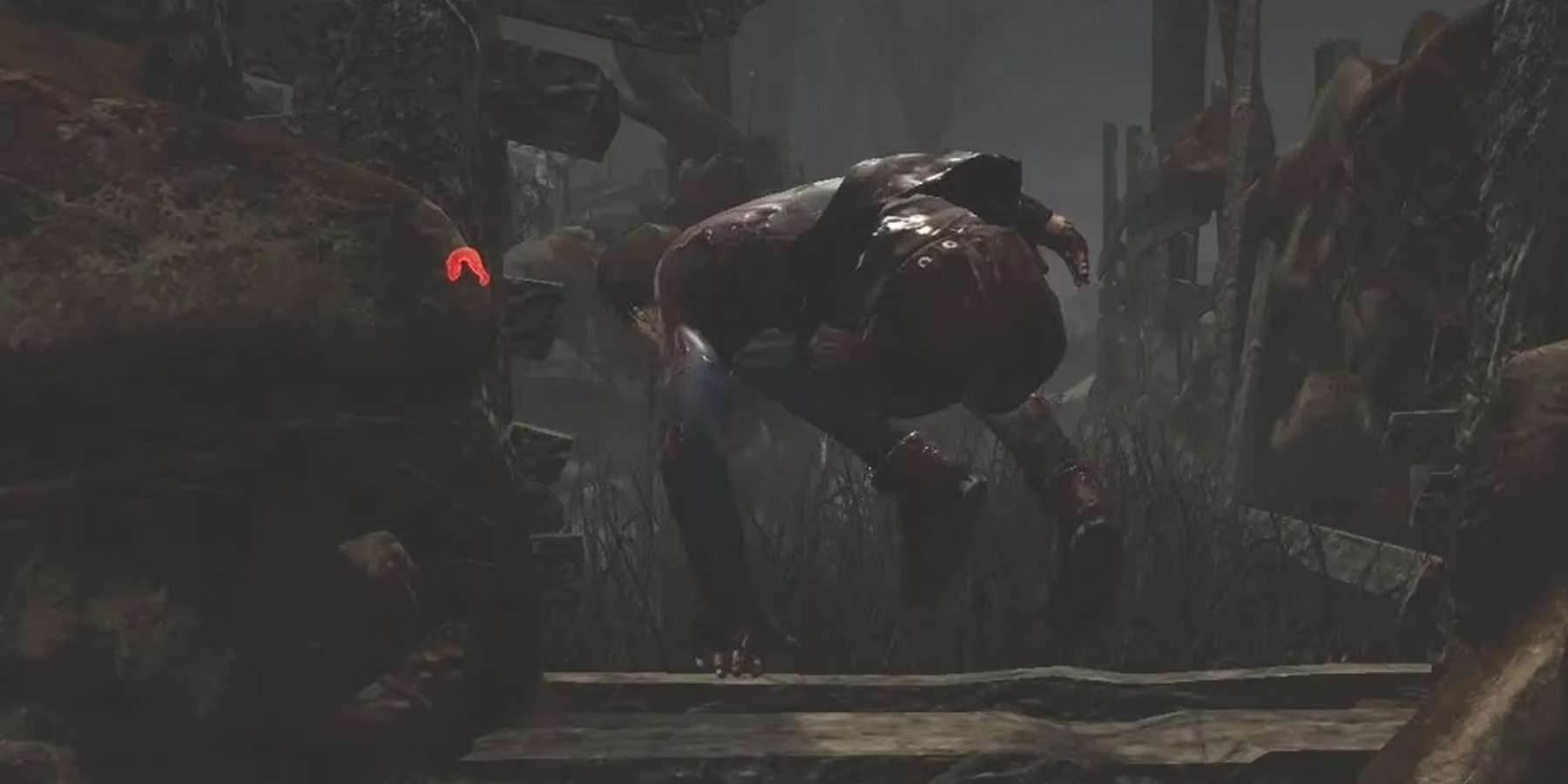
To vanish after a vault, combine Lightweight (scratch marks disappear faster) with Dance With Me (Kate Denson) – no scratch marks for 3 seconds after a rushed action – and Quick and Quiet (Meg Thomas) to silence vaulting and locker entries. This trinity transforms you into a ghost, forcing the Killer to guess your next move while your teammates complete objectives.
🔧 Objective Rushing: The Generator Specialist
Some Support Survivors focus on the match’s core objective: repairing generators. A dedicated gen rusher doesn’t blindly hold M1; they coordinate with teammates, absorb the Killer’s focus when necessary, and rotate efficiently using speed-enhancing perks. In 2026, with map designs growing more complex, gen-oriented builds have never been more important.
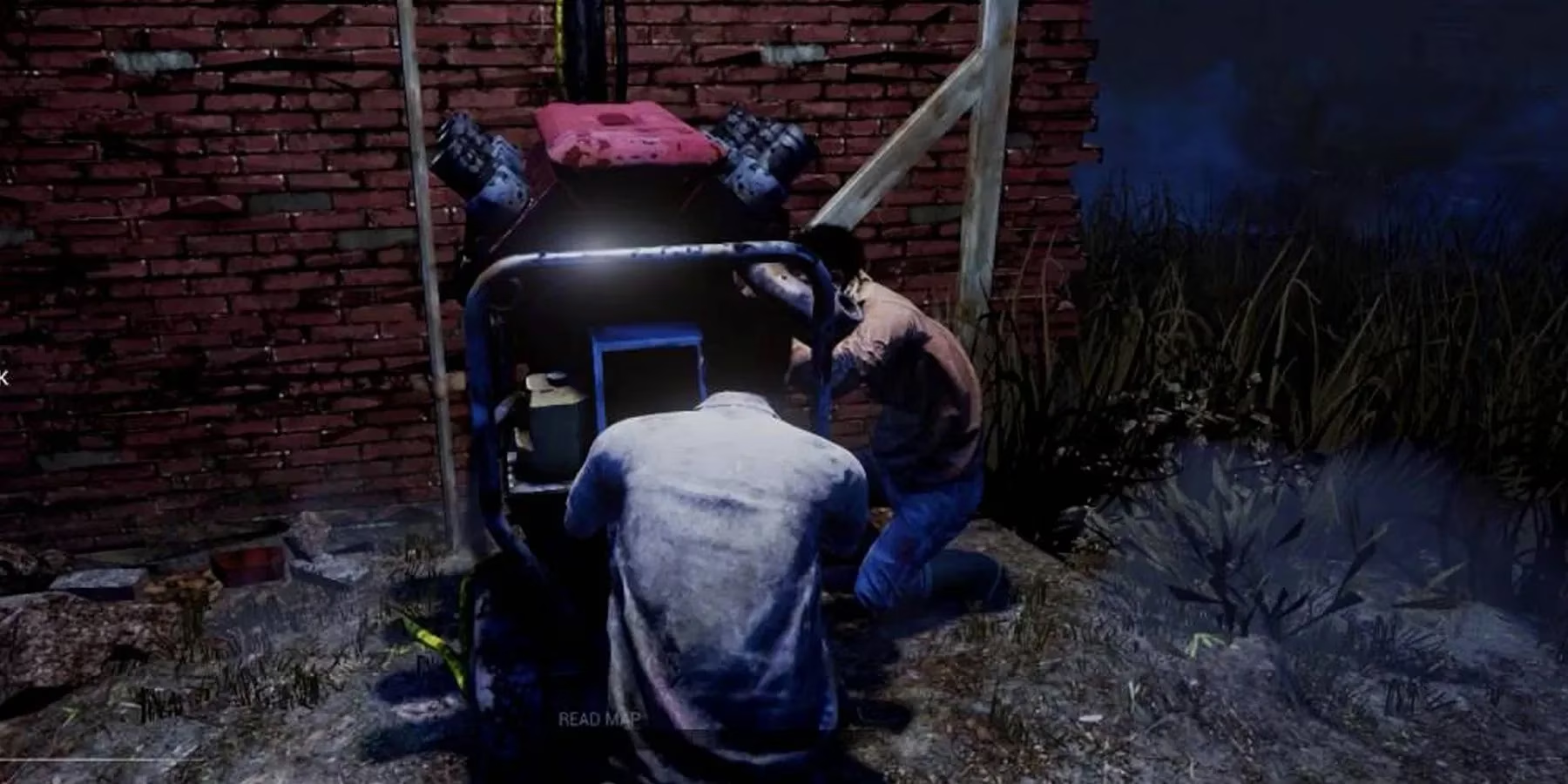
Prove Thyself (Dwight Fairfield) grants a stackable 15% repair speed bonus to nearby survivors, making duo or trio gen repairs lightning fast. Stake Out (David Tapp) converts Good skill checks into Great ones while you lurk in the Killer’s terror radius without being chased, rewarding stealthy map positioning. To protect your progress, Repressed Alliance (Cheryl Mason) calls upon the Entity to block a generator you’ve been repairing, preventing the Killer from damaging it for a limited time – a game-saver against ruin builds.
💊 Healing and Emergency Response: The Combat Medic
No Support build list is complete without the healer. Combat medics thrive in chaos, dashing to dying teammates, tanking hits, and resetting the team’s health economy. As of 2026, healing speed and altruistic perks define the backbone of any coordinated group.
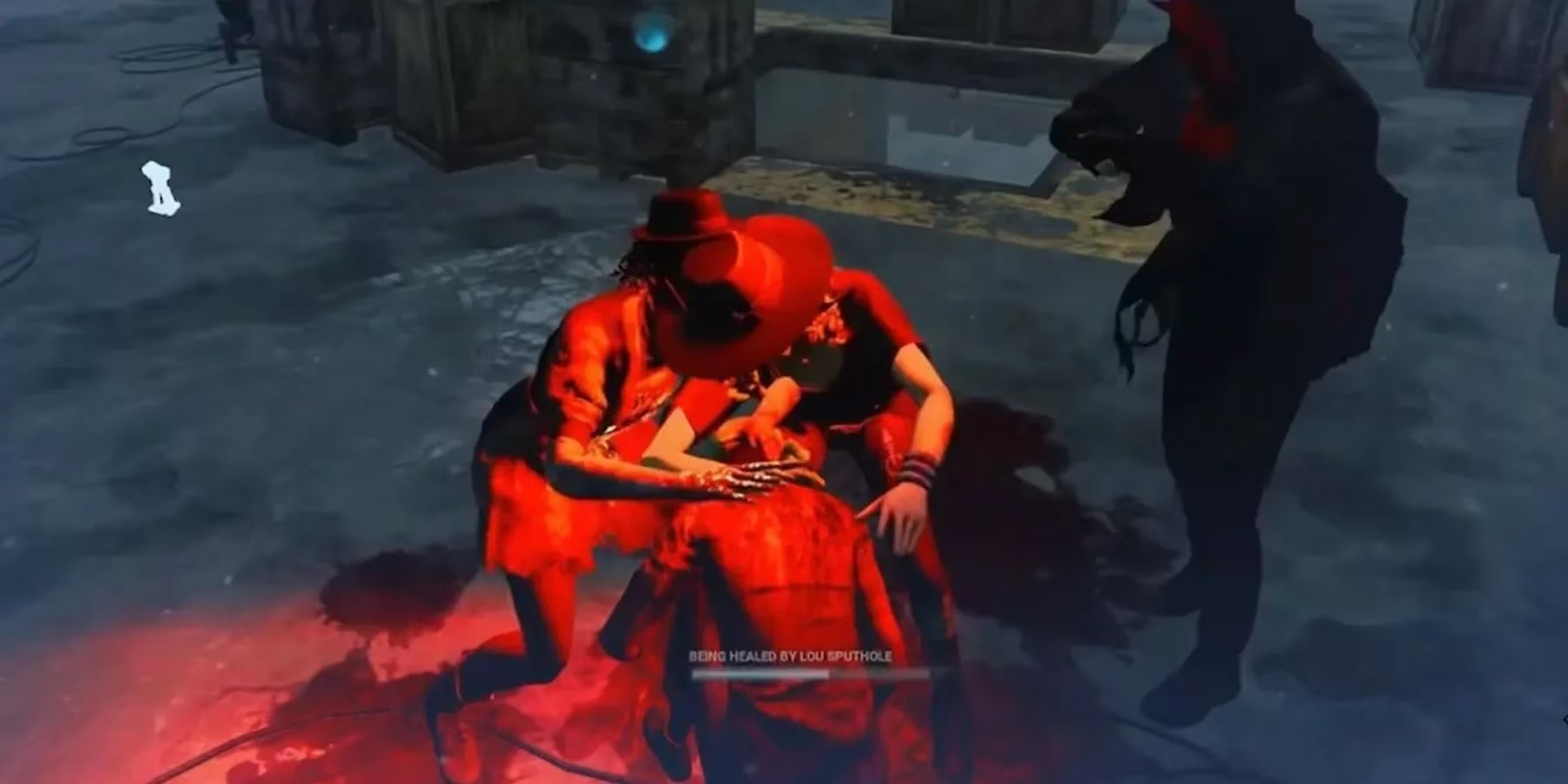
Botany Knowledge (Claudette Morel) boosts healing speed and item efficiency, turning a basic medkit into a rapid recovery tool. Borrowed Time (Bill Overbeck) remains a staple, granting the unhooked survivor Deep Wound instead of an immediate down when the Killer is nearby. For clutch plays, For the People (Zarina Kassir) allows an instant full-heal at the cost of becoming Broken for 110 seconds – a high-risk, high-reward trade that can save a game. Leader (Dwight Fairfield) further increases allied action speeds for cleaning, unhooking, and more, turning every interaction into a team-wide buff.
💪 Durability and Last Stands: Turning Tides When Down
Support Survivors sometimes must become the punching bag. Durability builds allow a player to recover from impossible situations, crawl away from the Killer’s grasp, or force a pallet stun even while being carried. These setups shine when the team is on the back foot and a single save can flip momentum.
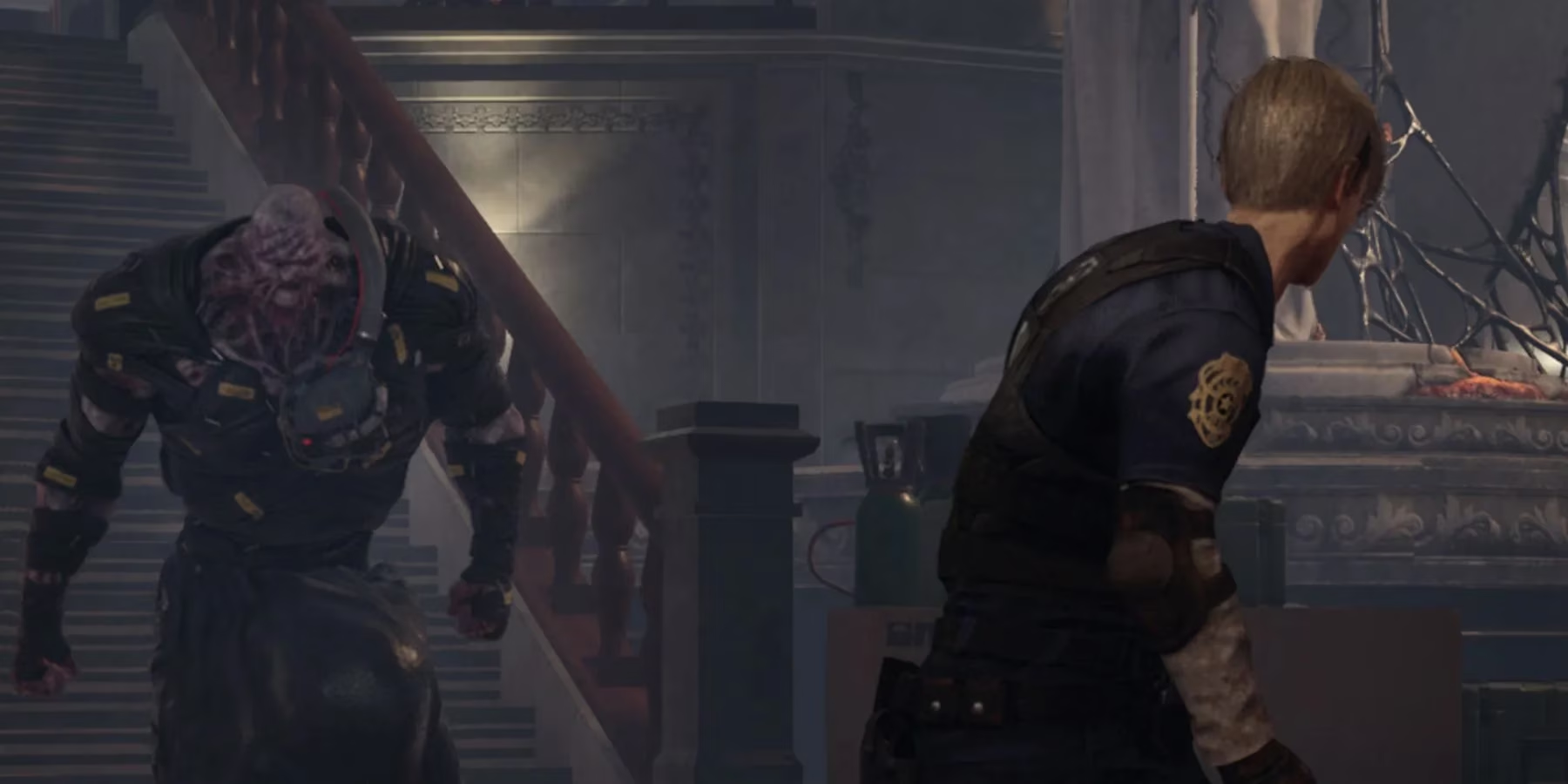
Unbreakable (Bill Overbeck) permits a complete self-recovery once per trial, often catching Killers off guard. Flip-Flop (Ash Williams) converts recovery progress into wiggle progression when picked up, while Power Struggle (Elodie Rakoto) activates a pallet stun when being carried near a pallet, leading to dramatic escapes. Combine these with Tenacity (David Tapp) for faster crawling while recovering, and the Killer can never feel truly safe leaving a downed survivor on the ground.
🧰 Adapting to Killer Strategies in 2026
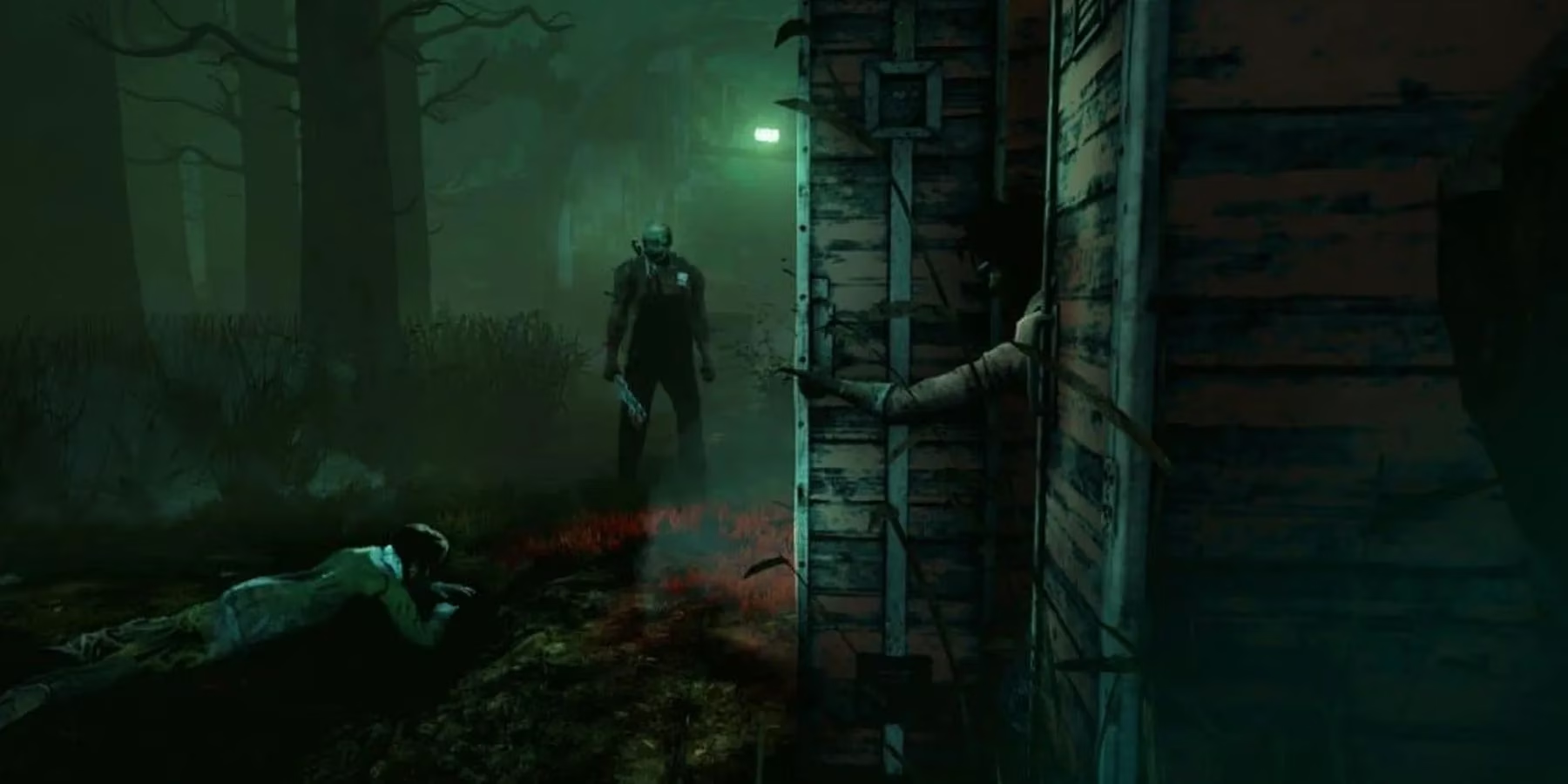
Support Survivors must think two steps ahead. Observing a Killer’s behavior yields critical information. For example, against long-range Killers like the Huntress or the Artist, Support players should avoid open sightlines and use lockers to dodge bird swarms or hatchets. When a Killer repeatedly tunnels a specific target, a Support Survivor can decide whether to take aggro or pre-run to the next generator. Pellet conservation becomes a team resource – using them too early robs later chases of safety. Generator patrol paths also dictate where the Support Survivor should lead the Killer away from. The best Support builds in 2026 rely not just on perks, but on reading the match’s rhythm.
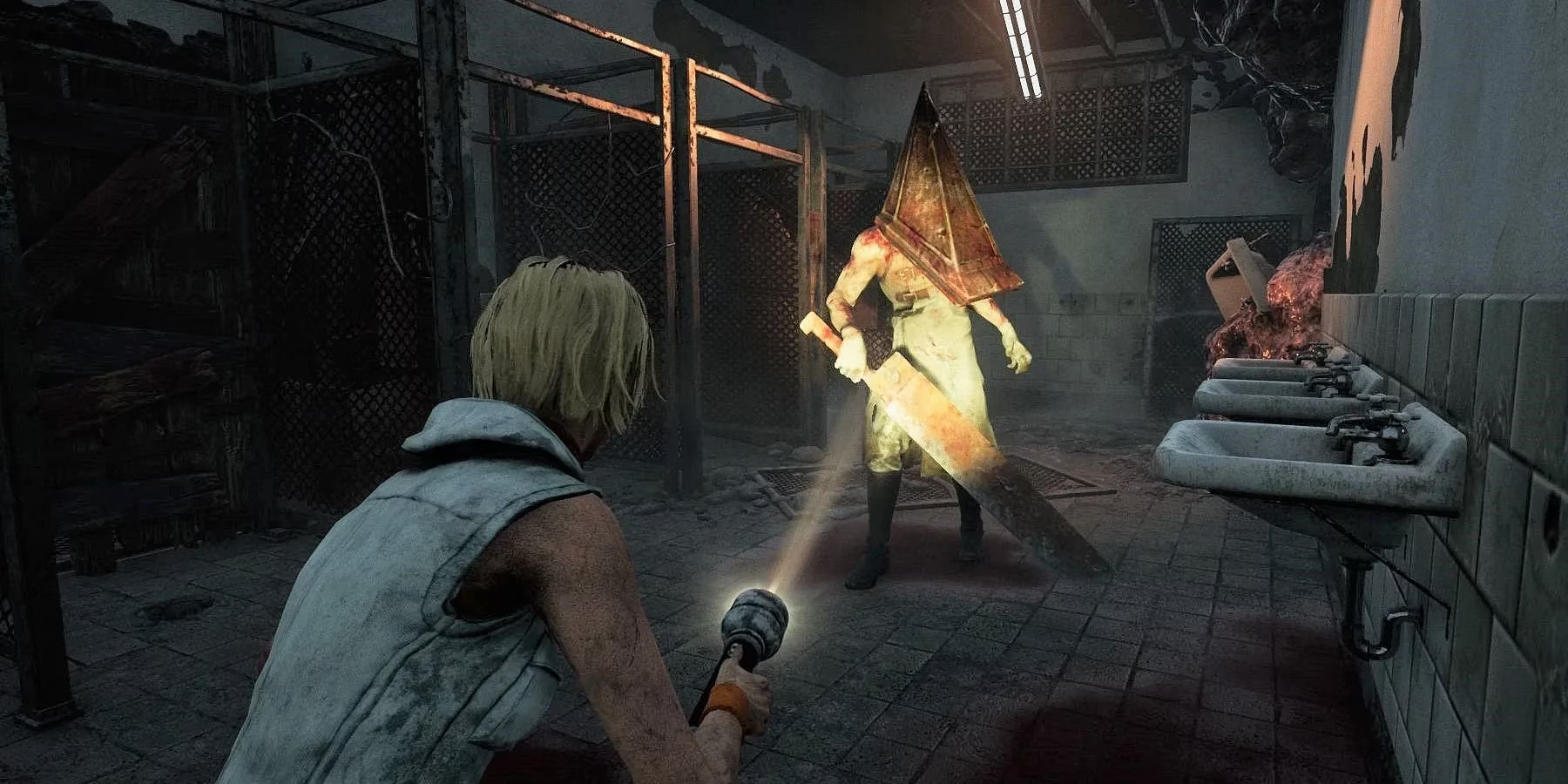
🔮 Stitching It All Together
A successful Support Survivor does not need to pack all roles into a single loadout. Instead, choose one or two specialties – speed and medicine, detection and generators – and build synergy. With the ever-expanding perk pool of 2026, experimentation is rewarded. The Support mindset, however, remains timeless: see the game as a team effort, not a solo escape. When the final generator lights up and all four Survivors dash through the exit, the Support player’s silent contribution echoes louder than any chase win.
As you refine your Support Survivor strategies and experiment with new builds, it’s worth considering how to enhance your overall gaming experience. From optimizing your in-game perks to upgrading your gaming setup, finding the right tools and deals can make a big difference. For players looking to save on Dead by Daylight or other Steam titles, the steam deal finder is a fantastic resource to uncover discounts and bundle offers.
Whether you’re diving into the fog with friends or exploring other multiplayer adventures, having access to affordable games ensures you can keep the fun going without breaking the bank. Check out DealNest to discover the latest deals and build your gaming library for less.
Comments