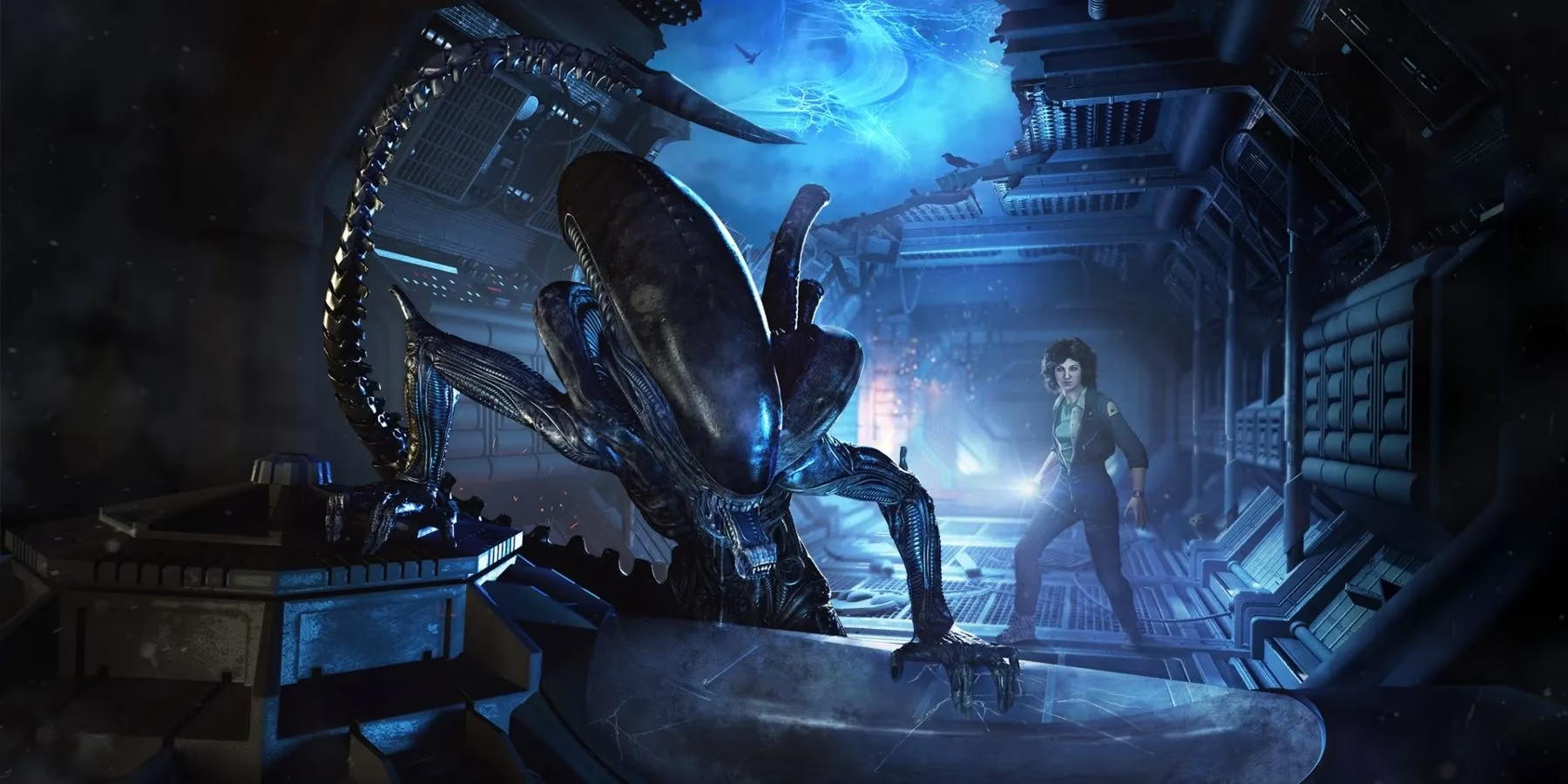
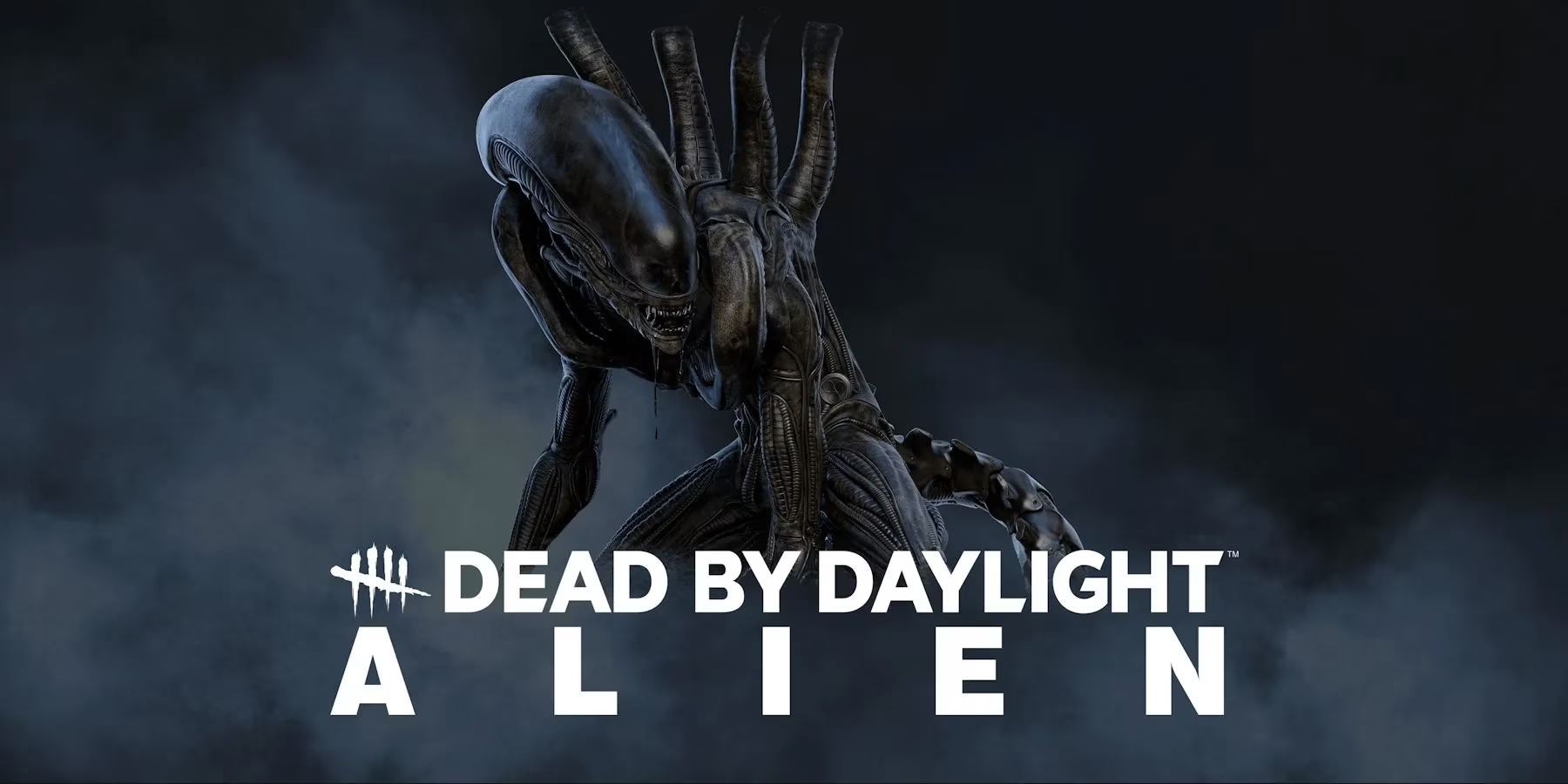
In 2026, the fog of Dead by Daylight became a lot more... acidic. Behaviour Interactive, in a landmark collaboration with Disney, finally unleashed the iconic Xenomorph and the legendary survivor Ellen Ripley upon the Entity's realm with its monumental Alien Chapter. This wasn't just another DLC; it was a dream realized for the development team and a seismic event for fans who had long whispered about the perfect horror icon missing from the game's roster. For the creative minds at Behaviour, this was the ultimate test: to faithfully translate the sheer terror and unique mechanics of the Alien franchise into the asymmetric survival horror playground they had built.
The Dream Collaboration: Working with Disney
For Creative Director Dave Richard, securing the Xenomorph was a personal and professional milestone. He described the partnership with Disney as "awesome" and a "dream come true for the team." The Xenomorph wasn't just another monster; it was a cornerstone of cinematic horror, a legend whose inclusion in Dead by Daylight's "Museum of Horror" felt not just desired, but necessary. The team's reverence for the license was palpable, but so was the pressure to do it justice.
From a gameplay perspective, designer Janick Neveu admitted there was initial trepidation. Working with such a prestigious IP often involves creative compromises, but Disney shattered those expectations. "They were super on board with our ideas," Neveu recalled with evident relief. The collaboration was remarkably smooth, with Disney reinforcing the team's concepts rather than stifling them. This synergy was crucial in crafting an experience that felt authentic to both the Alien universe and the core mechanics of Dead by Daylight.
Engineering a Perfect Organism: Designing the Xenomorph Killer
The design philosophy for a new killer in Dead by Daylight always revolves around introducing a novel gameplay mechanic. The team was adamant about avoiding a simple "copy and paste" job. They embarked on a deep dive into the essence of the creature: What is the Xenomorph, and what unique terror could it bring to the fog?
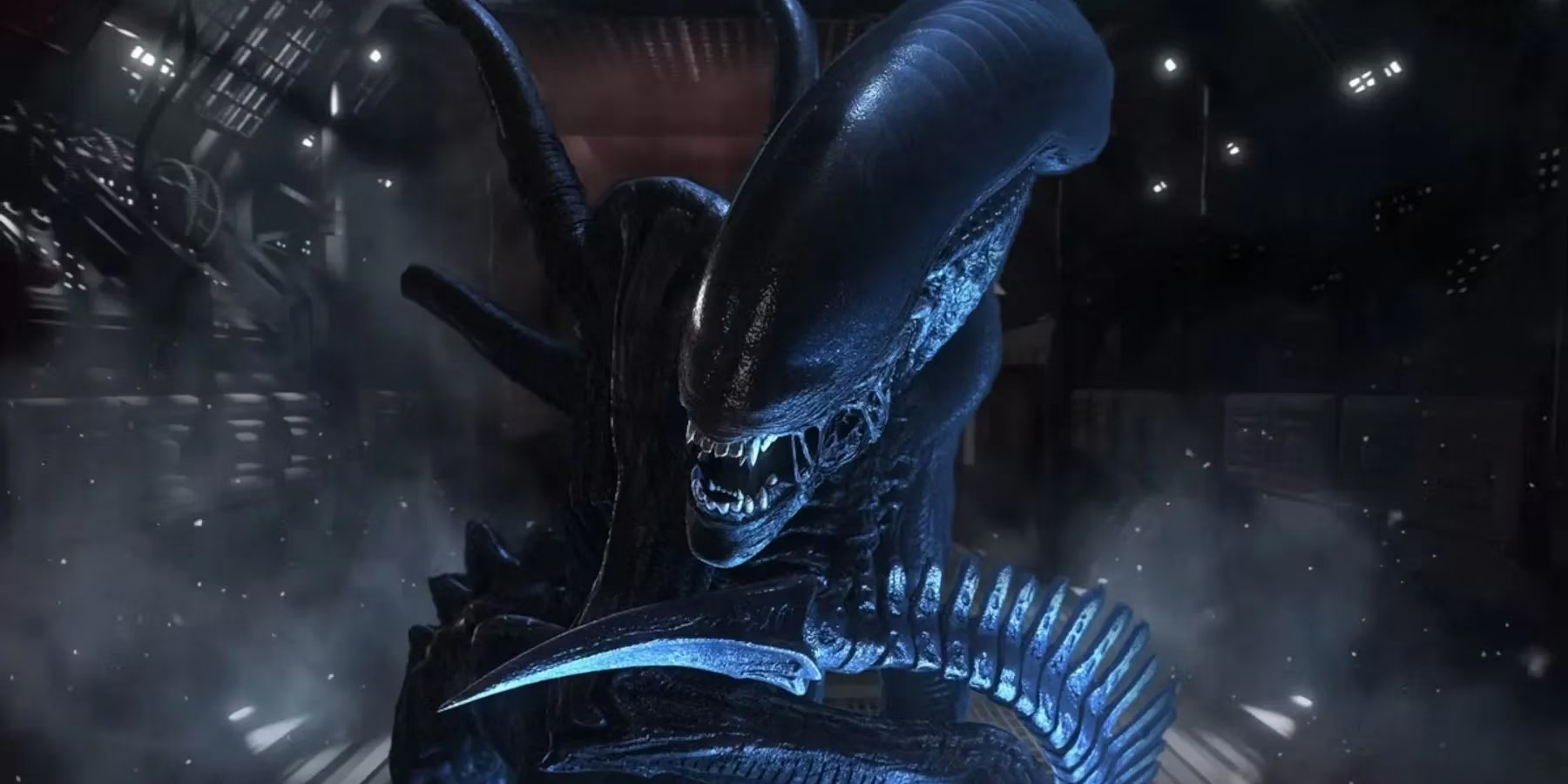
The answer manifested in a trio of signature abilities designed to make players feel like they were controlling the galaxy's most efficient predator:
-
Crawler Mode & Tail Attack: The Xenomorph can drop to all fours, entering a more agile state. Its primary weapon is its bladed tail—a lethal, long-range attack that can slice over obstacles and around corners, creating unpredictable and deadly "trick shots."
-
The Tunnel System: Perhaps the most iconic addition. The killer can burrow into a network of tunnels beneath the map's surface. This allows for rapid traversal across large distances, covert surveillance of survivor movements, and devastating ambushes. Emerging from a hole in the ground right behind a survivor is the ultimate jump-scare fantasy realized.
-
Stealth & Terror Radius Manipulation: True to its cinematic roots, the Xenomorph is a master of stealth. In Crawler Mode, its terror radius is reduced, allowing it to stalk prey silently. It can also use the environment to hide its approach, making it a truly frightening hunter.
Neveu emphasized the design goal of "easy to play, hard to master." New players can grasp the basic tail attacks and tunnel travel quickly, while veterans can spend hundreds of hours perfecting ambush angles and map control. Richard added that the Xenomorph's stealthy, ambush-focused kit naturally creates those terrifying "hunting fantasy" moments that are rare among the killer roster.
Fighting Back: Survivors, Turrets, and Steam Pipes
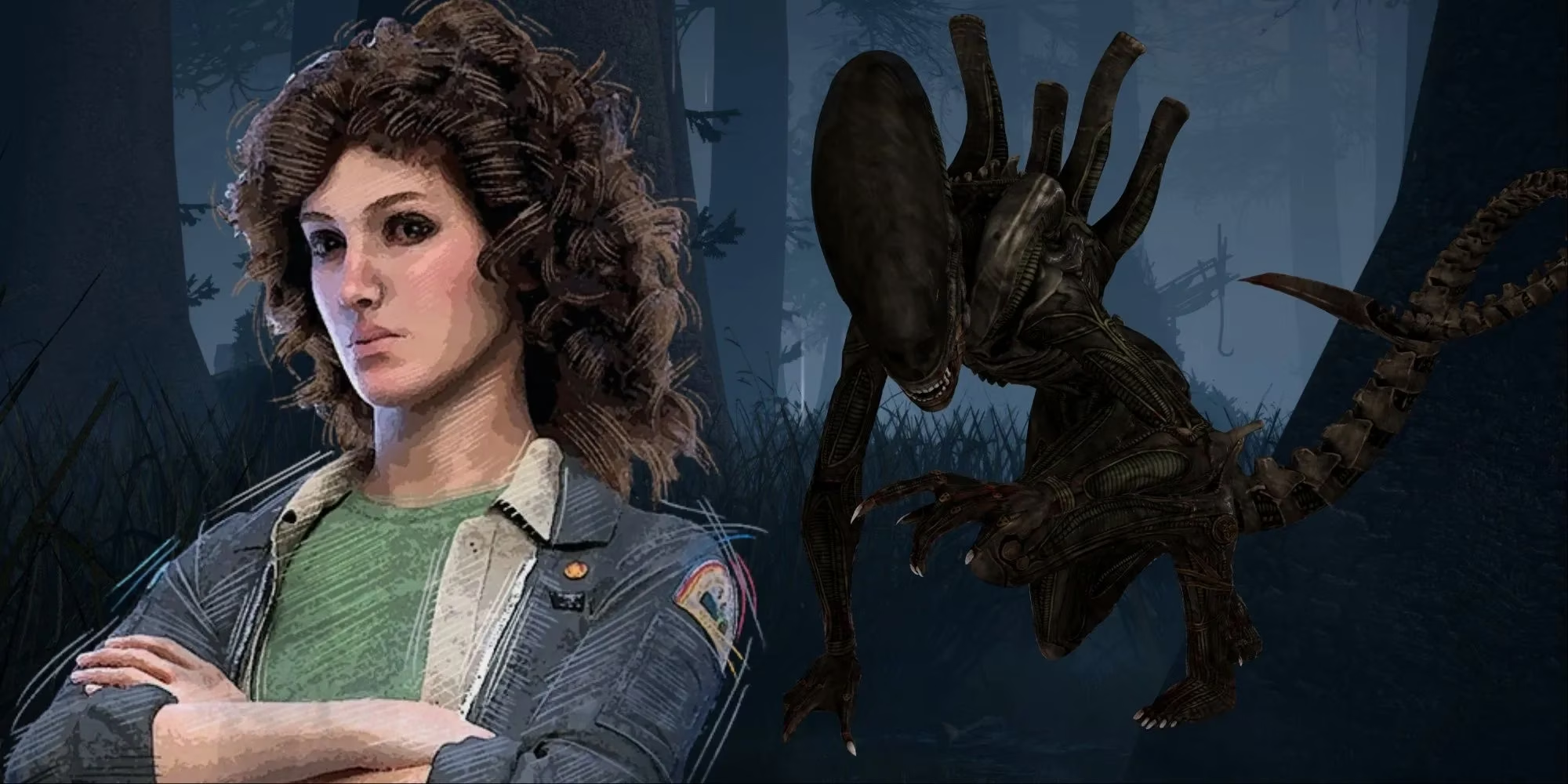
A key tenet of Dead by Daylight is balance. Introducing such a powerful creature meant giving survivors new tools to level the playing field. While Ellen Ripley is the iconic face of the chapter, every survivor facing the Xenomorph gains access to a revolutionary new gameplay element: the Remote Flame Turret.
This wasn't just another item. As Neveu explained, it broke new ground for the game: "Something we never did in Dead by Daylight before was allow a survivor to place something on the map." The turret is a deployable object that survivors must carry and strategically position. It serves a dual purpose:
-
Motion Tracker/Sonar: It provides an early warning, pinging the Xenomorph's location when it is nearby.
-
Flamethrower: It emits a jet of flame that, crucially, does not harm the killer. Richard was keen to stress this point: the flamethrower, while looking lethal, is purely an annoyance—a deterrent that slows and reveals the Xenomorph, forcing it to rethink its approach. Using the turret comes with risk; carriers are slower and more vulnerable, adding a strategic layer to its deployment.
The other major survivor-side innovation is environmental: the Steam Pipe system, exclusive to the new Nostromo Wreckage map. These are zones that, when triggered, blast steam, slowing down anyone who passes through. Survivors can use control levers to reset the pipes, creating safe pathways or trapping the killer. It's a dynamic, map-specific mechanic that encourages environmental mastery from both sides.
The Nostromo Wreckage: A Map Full of Secrets and Jonesy the Cat
The new map, the derelict remains of the Nostromo, is a love letter to fans. Packed with Easter eggs and environmental storytelling, it offers a claustrophobic, multi-layered playground. The most delightful confirmed secret? Jonesy the cat from the original film makes a cameo, a charming detail that showcases the team's affection for the source material.
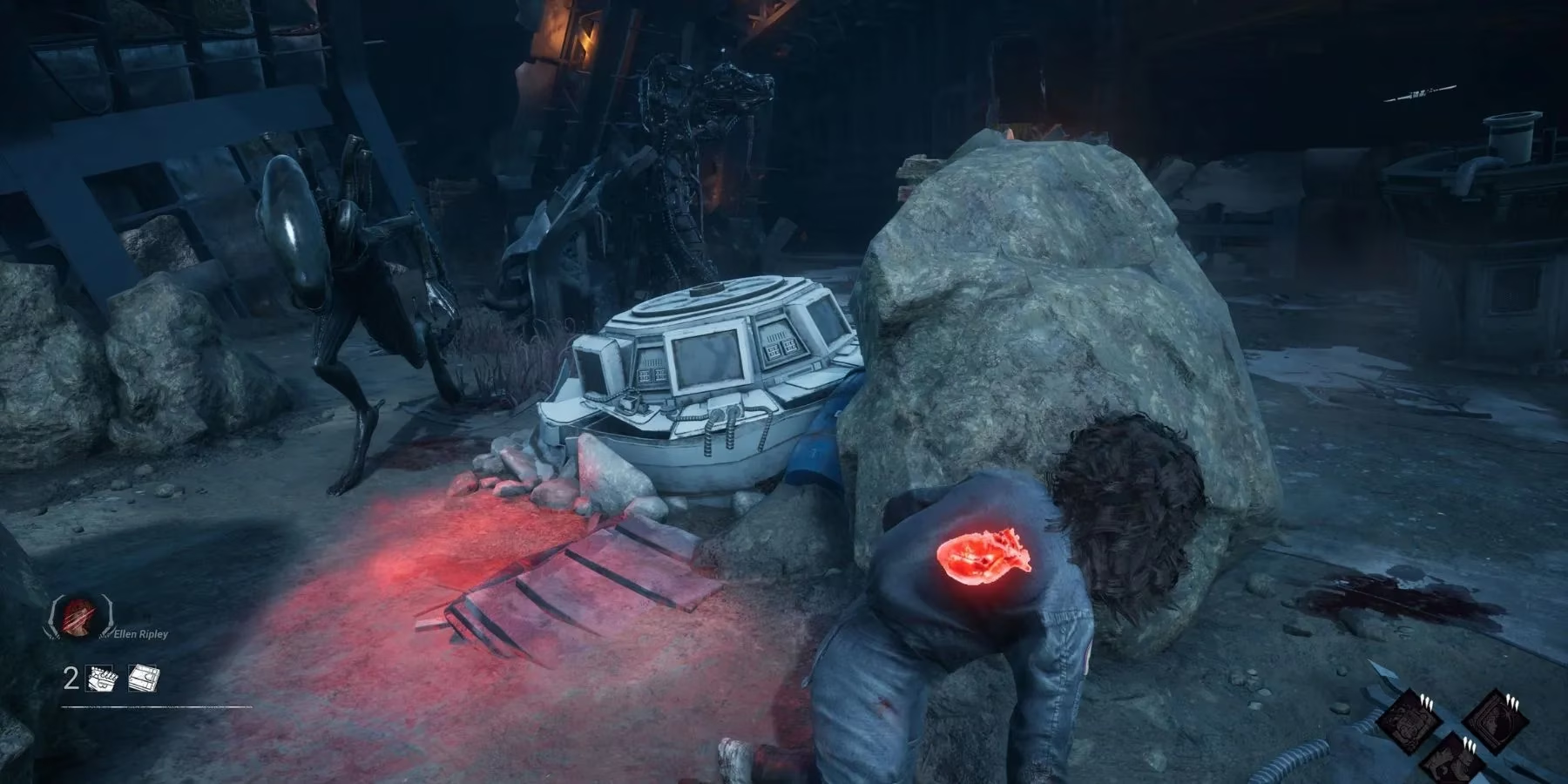
The map's layout is intrinsically tied to the Xenomorph's power. Scattered throughout are Control Stations. These are the nexus of the new gameplay loop:
-
For Survivors: This is where they must go to pick up the precious Flame Turrets, creating a risky objective.
-
For the Xenomorph: These stations are the entry and exit points for its underground tunnel network. This creates intense moments of friction—a survivor going for a turret might find the killer erupting from the ground at their feet.
A Legacy Chapter and the Future of the Fog
The Alien Chapter represents a high-water mark for Dead by Daylight collaborations. It successfully translated a beloved IP into a cohesive and innovative gameplay package that added new systems (deployable turrets, tunnel traversal, environmental steam) rather than just new skins. The process, taking between six to nine months of close work with Disney, resulted in what Senior PR Manager Aide Laliberté called a "wonderful, collaborative work across all fronts."
As for what lurks in the future—be it more Alien characters like the Predator (a question the team deftly sidestepped) or the celebrations for the game's 30th chapter—the developers remained coy. Richard hinted that their internal count was already "a bit further" than the public tally, suggesting that the Entity's collection is far from complete. For now, survivors in 2026 must learn a new set of rules: listen for the hiss in the vents, watch the motion tracker, and never, ever feel safe just because the coast looks clear. The perfect organism has joined the hunt, and the Museum of Horror has gained its most terrifying exhibit yet.
Comments