In the evolving landscape of asymmetrical horror games, technical issues can sometimes cast a long shadow over the player experience. In 2026, the dedicated community of Dead by Daylight faced a particularly disruptive challenge: a strobing light glitch that emerged following a major game update. This visual anomaly, characterized by random flashing white lights during gameplay, was more than just a graphical hiccup; it represented a significant accessibility and comfort concern for players. The development team's swift and transparent response to this issue highlighted the ongoing commitment required to maintain a live-service title, especially one with such a fervent and active player base. How does a development team balance the rollout of exciting new content with the urgent need to address unforeseen technical problems that can impact player safety?
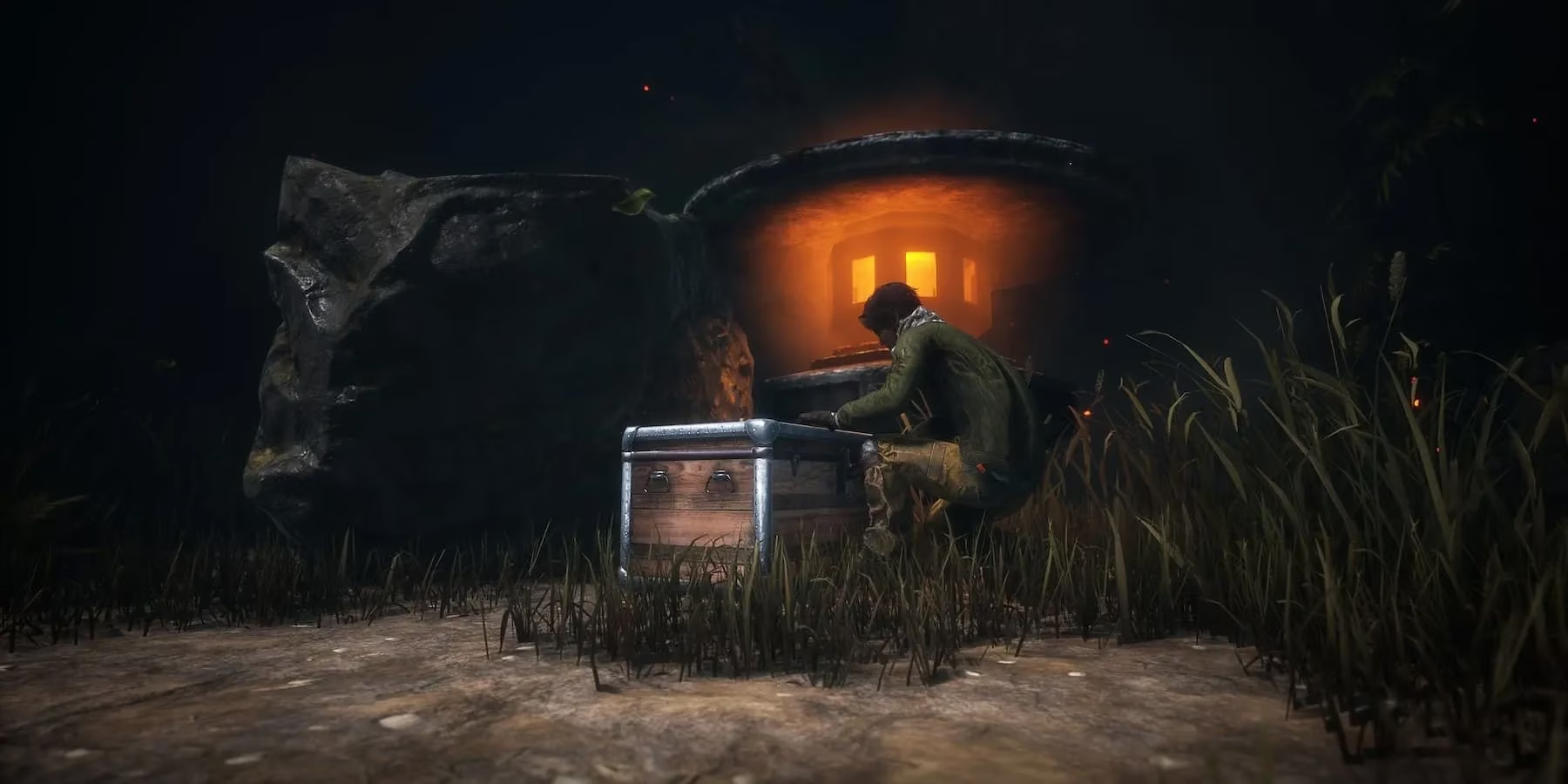
The glitch first manifested after the release of update 7.7.0 in late April. This update was substantial, bringing with it the anticipated Tome 19: SPLENDOR content, featuring new narrative threads for characters like The Artist and Zarina Kassir. Furthermore, the patch included foundational work on the migration to Unreal Engine 5 and introduced balance adjustments for several Killers, including The Twins and The Blight. However, shortly after its deployment, reports began flooding in from players experiencing unpredictable strobe-like effects. The Dead by Daylight team acted with notable speed, issuing an immediate photosensitivity warning on their official communication channels. This proactive step was crucial, as the flashing lights posed a potential health risk, particularly for players with conditions like epilepsy or those prone to seizures triggered by rapid light changes.
The player experience with the bug was far from uniform. On community forums and discussion threads, reports varied widely:
-
Duration Varied: Some players encountered the lights for only a few fleeting seconds, while others endured the effect for over 20 seconds at a time.
-
Frequency Inconsistent: For a portion of the community, the bug was a rare occurrence, appearing in perhaps a single match. Others reported a much higher incidence, with flashing lights disrupting an estimated 67% of their games.
-
Platform Specificity: Initially, the issue seemed most prevalent and severe on the PC platform, which guided the developers' initial remediation strategy.
This inconsistency made the bug particularly tricky to diagnose and replicate, a common challenge in live game environments. The impact, however, was universally negative. Beyond the obvious visual annoyance and potential health concerns, the glitch fundamentally disrupted gameplay. In a game where environmental awareness, stealth, and precise timing are paramount for both Survivors and Killers, unexpected visual interference can be the difference between a narrow escape and a devastating defeat. Could a Survivor effectively hide from a Killer's terror radius with lights flashing unpredictably? The answer was a resounding no, placing affected players at a severe disadvantage.
Recognizing the urgency, Behaviour Interactive developed and deployed a targeted hotfix, labeled update 7.7.0A. The rollout was strategic and cautious:
| Aspect | Detail |
|---|---|
| Initial Platform | PC (as the primary affected platform) |
| Goal | Test the efficacy of the fix in a controlled environment |
| Contingency Plan | If successful on PC, the fix would be propagated to all other platforms (consoles, etc.) |
| Developer Caution | The patch notes explicitly stated the fix might not work for all players and reiterated warnings for those with photosensitivity conditions. |
This measured approach demonstrated a responsible development philosophy. Rather than pushing a potentially incomplete fix to all platforms simultaneously and risking wider issues, the team opted for a staged release. This allowed them to gather data, ensure stability, and confirm the fix's effectiveness before a full global deployment. The community's reaction to this transparency was largely positive, even amidst their frustration with the bug itself. Players appreciated the clear communication regarding the risks and the logical, step-by-step plan for resolution.
The incident served as a stark reminder of the complexities inherent in modern game development and maintenance. The year 2026 has seen Dead by Daylight continue to thrive and expand its vast catalog of Killers, Survivors, and maps, but this growth is accompanied by technical challenges. The strobing light glitch, while resolved, underscored several key points for the live-service model:
-
Player Safety is Paramount: Issues affecting accessibility and health must be prioritized with the highest level of urgency.
-
Communication is Critical: Transparent, timely updates from developers help manage community expectations and maintain trust during disruptive periods.
-
Testing is Never Fully Exhaustive: Even with rigorous pre-release testing, the infinite variables of player hardware, software, and in-game actions can combine to create unforeseen bugs post-launch.
Ultimately, the handling of the 7.7.0A hotfix reinforced the developers' dedication to their community. The speed of response, from initial warning to deploying a potential fix, showed a team actively listening and reacting to player feedback. It proved that the game's longevity is not just built on new content like Tome 19 or engine upgrades, but also on a foundation of responsible support and a commitment to ensuring the game remains a safe and enjoyable space for all its participants. As Dead by Daylight moves forward, navigating an increasingly competitive niche, such dedication will remain its most valuable asset. After all, what good is a new Killer or a graphical upgrade if players cannot safely experience them?
Comments