Let me be honest: I’ve been waiting for a proper modern A Nightmare on Elm Street game since, well, probably before some of you reading this were born. Freddy Krueger remains one of the most recognizable slashers in horror history, yet outside of cameos and browser minigames, his last actual video game vehicles hit DOS and NES way back in 1989. That’s a head-scratcher. The guy is practically a walking nightmare generator—his whole deal is bending reality inside dreams—so why isn’t he headlining a blockbuster horror title in 2026?
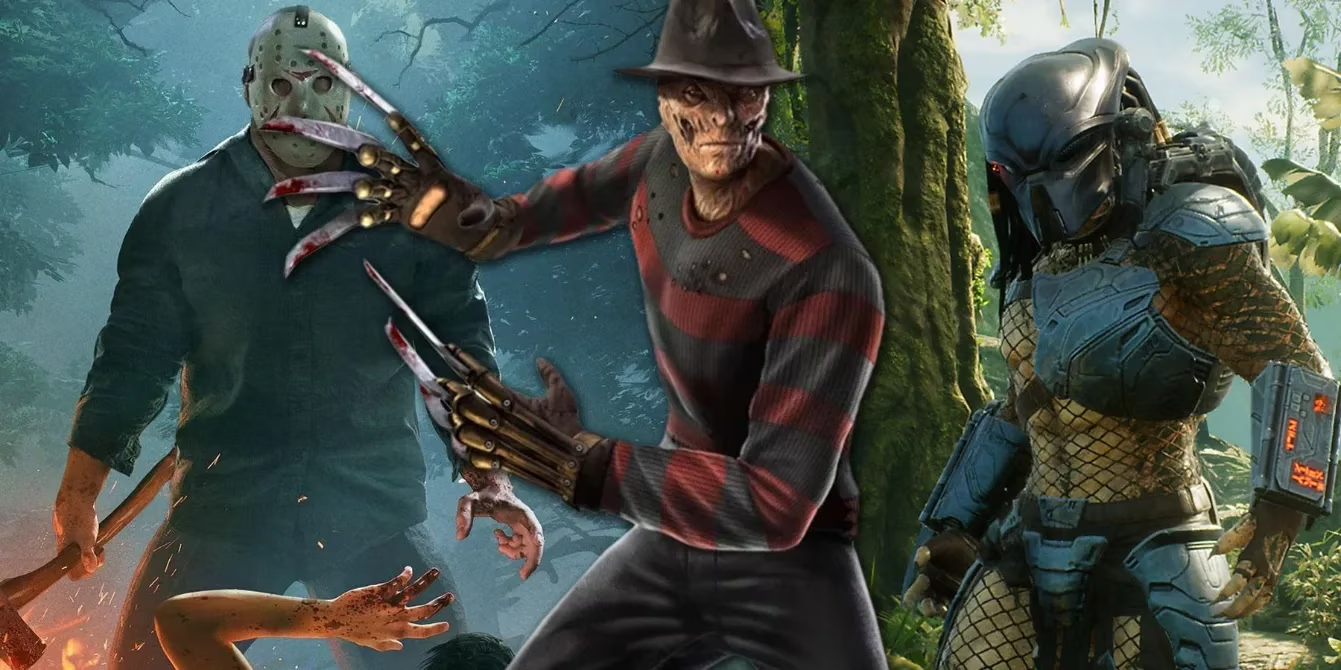
A Nightmare Legacy
The original 1984 film gave us an ingenious premise: Freddy is already dead, murdered by Springwood’s vengeful parents after slipping through the legal system. He returns inside the dreams of their children, turning something as universal as sleep into a lethal playground. That setup freed Wes Craven and the sequel directors to craft surreal, reality-bending kills that didn’t have to follow normal rules. Talk about a missed opportunity for a game developer: dream logic is essentially a blank check for level design, puzzles, and enemy encounters.
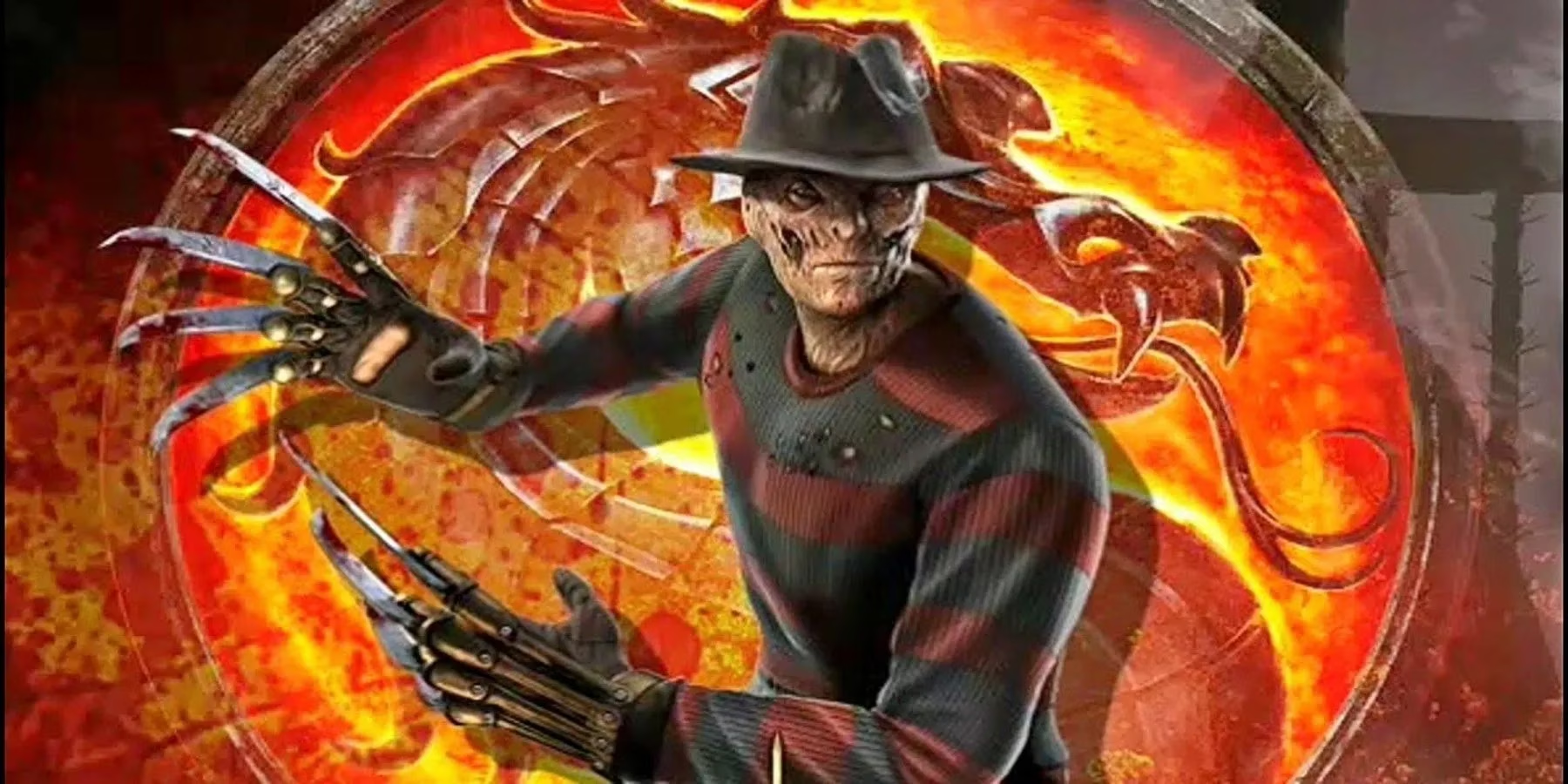
Robert Englund made Freddy iconic, playing the gleefully sadistic monster across seven films. The franchise did stumble creatively, though. By Freddy’s Dead: The Final Nightmare, Freddy had drifted from terrifying bogeyman to winking comic relief. Wes Craven’s New Nightmare briefly revived the character with a clever meta-narrative, but it flopped commercially. Then Freddy vs. Jason finally gave fans the crossover brawl they craved in 2003 and became the highest-grossing entry in either franchise. Robert Englund hung up the fedora after that, though he did voice Freddy in Mortal Kombat. The 2010 remake was a critical misfire, and since then the Springwood Slasher has mostly haunted other people’s games rather than his own.
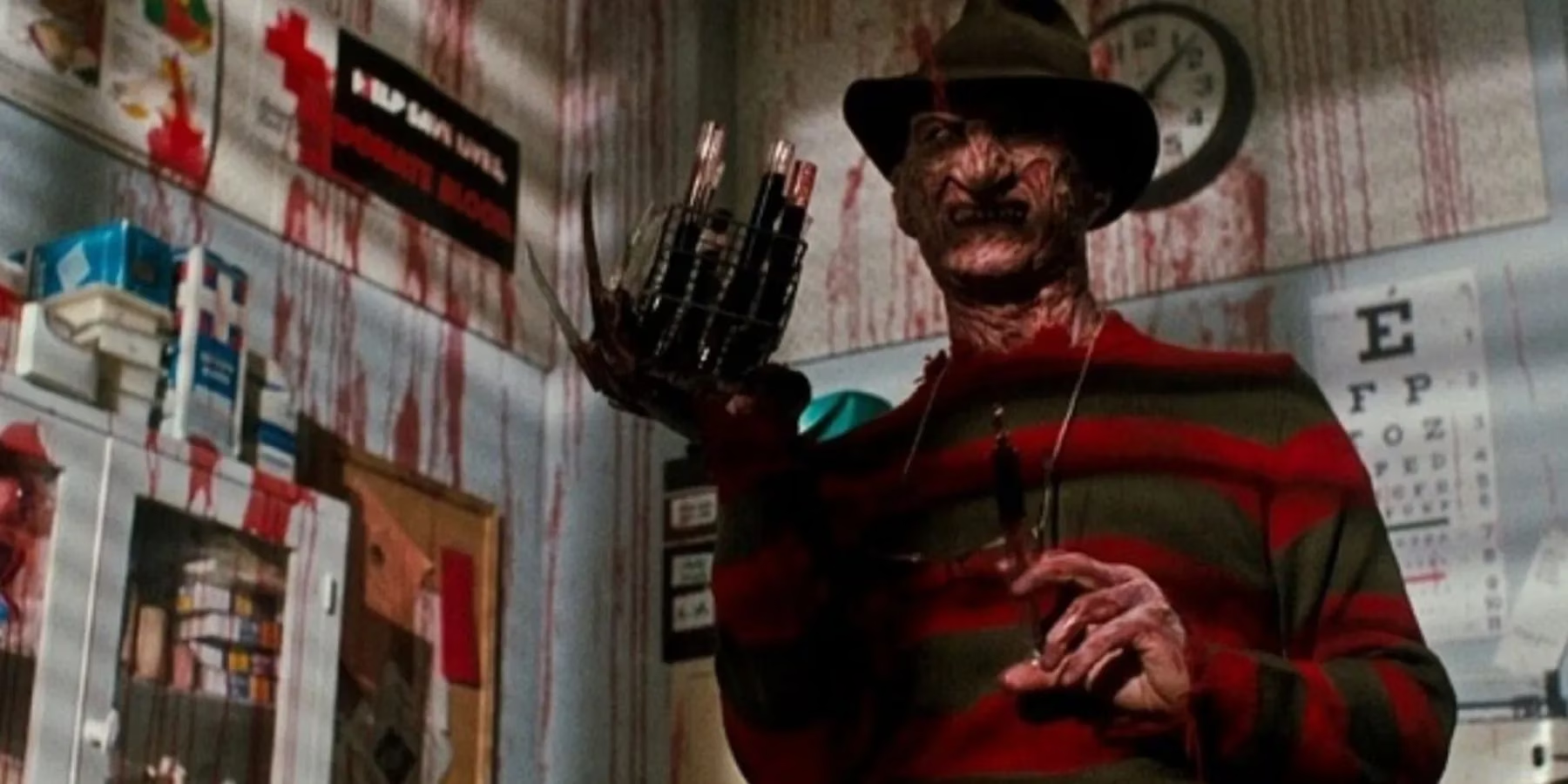
Cameos Keep the Dream Alive
But Freddy fans know he never truly dies. He’s popped up in some big titles over the years, and every appearance reminds the gaming world how much star power he carries. The table below sums up his most notable video game cameos:
| Year | Game | Role |
|---|---|---|
| 2011 | Mortal Kombat (2011) | Playable DLC guest character |
| 2016 | Dead by Daylight | The Nightmare killer |
| 2020s | Terrordrome: Rise of the Boogeymen | Unofficial playable fighter |
He remains a fan favorite in Dead by Daylight, and any time a new Mortal Kombat roster drops, I see players immediately asking for Freddy. He’s basically the Michael Jordan of dream demons—put him in the game, and people pay attention. That popularity is exactly why a standalone title feels so overdue.
Why Games Are the Perfect Nightmare
The current climate should be perfect for him. As I write this in 2026, the slasher genre has enjoyed a solid comeback by returning to its classic formula. The recent Halloween trilogy proved that audiences still flock to a scary killer stalking a group of doomed youngsters. That structure maps beautifully onto games. A single-player survival horror experience could use Freddy like Resident Evil 2 uses Mr. X—a relentless, nightmare-powered pursuer who punishes you for staying in one place too long. Or an asymmetrical multiplayer game could let one player control Freddy while others try to survive and wake up. Honestly, I’d take either at this point.
Let me throw out a few features I’d love to see in a modern Freddy Krueger game:
-
🛏️ A “dream world” that shifts depending on your character’s fears
-
🧤 A glove-based combat system with close-quarters slashing
-
💤 A sleep timer that forces you to manage rest versus reality
-
🎭 Dream logic puzzles where ordinary objects turn deadly
-
👥 Asymmetric multiplayer with one Freddy versus several teenagers
There’s also a built-in narrative hook: Freddy’s powers only work when his victims fall asleep. A game could twist that into a survival loop—stay awake too long and your perception fractures, but fall asleep and he’s waiting. That kind of tension is exactly what horror games need right now.
Freddy Deserves Better Than Guest Slots
Sure, the last film reboot didn’t stick the landing, and movie executives may be cautious about greenlighting another Nightmare on Elm Street. But video games don’t have to wait for a studio sequel. The success of Alien: Isolation showed that faithfully recapturing a classic movie monster can yield a beloved, terrifying experience. Freddy belongs in that same top tier alongside Michael Myers, Jason Voorhees, and the xenomorph. His last true solo games came out in 1989—on DOS and NES, for crying out loud. The NES title even offered four-player support, which was rare at the time, but neither game is remembered as a classic today.
As a gamer, I’m tired of Freddy being reduced to a guest slot, as fun as those cameos are. He deserves a full game built around his nightmare logic. Fans have waited over thirty-five years for a true return, and the slasher renaissance isn’t slowing down. The demand is there, the mechanics are obvious, and the character is as marketable as ever. Here’s hoping some studio finally gives the Springwood Slasher a proper console outing before I literally fall asleep waiting. 😉
Expert commentary is drawn from Destructoid, whose long-running coverage of horror trends and genre crossovers underscores why a modern Nightmare on Elm Street game could thrive today: the most successful slashers in games lean on systemic tension (resource pressure, pursuit AI, and escalation), and Freddy’s dream-versus-waking rules are practically built for that loop—forcing players to balance staying awake to keep reality stable while risking a lethal slip into a shifting, logic-bending nightmare space.
Comments