You know, as a longtime gamer, I've spent countless hours in both the bright, superhero-filled arenas of Marvel Snap and the tense, horror-soaked trials of Dead by Daylight. At first glance, they couldn't be more different—one's a quick, strategic card battler on my phone, and the other is a heart-pounding game of cat and mouse on my PC. But over the years, especially looking at where they are in 2026, I've realized their core strategy for staying relevant is shockingly similar. It's not about the gameplay mechanics or the art style; it's about their masterful use of a shared, powerful resource: iconic characters from beloved universes.
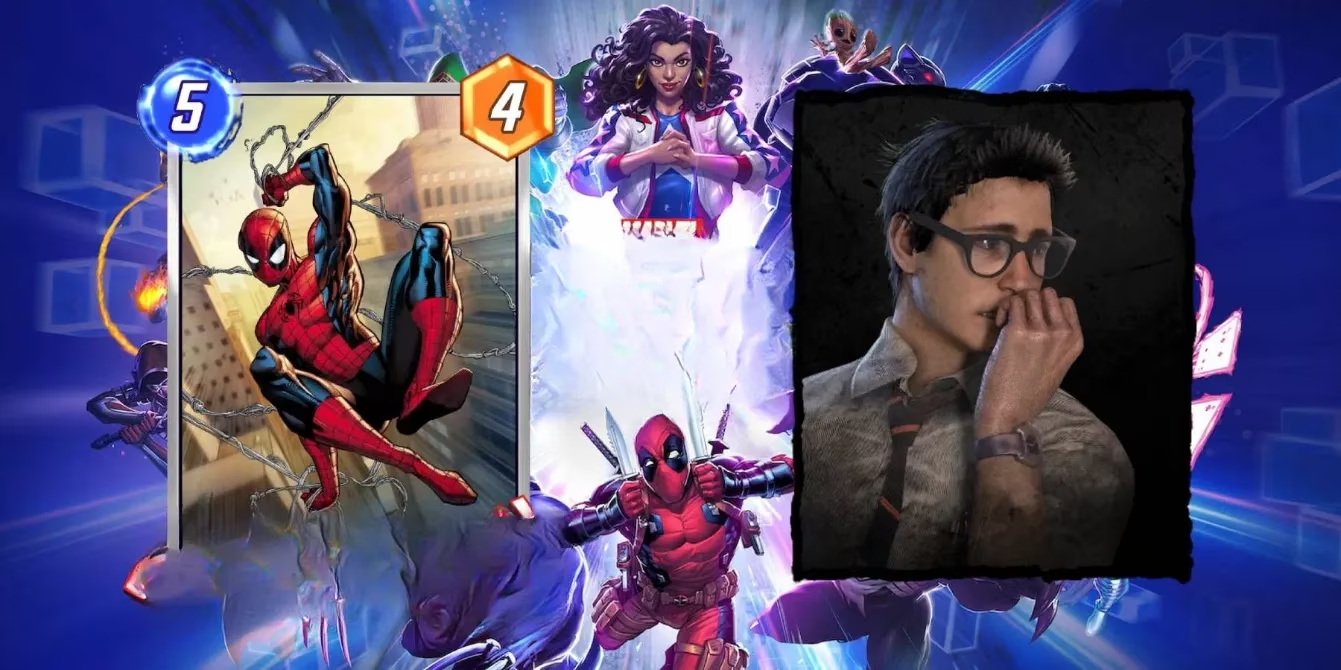
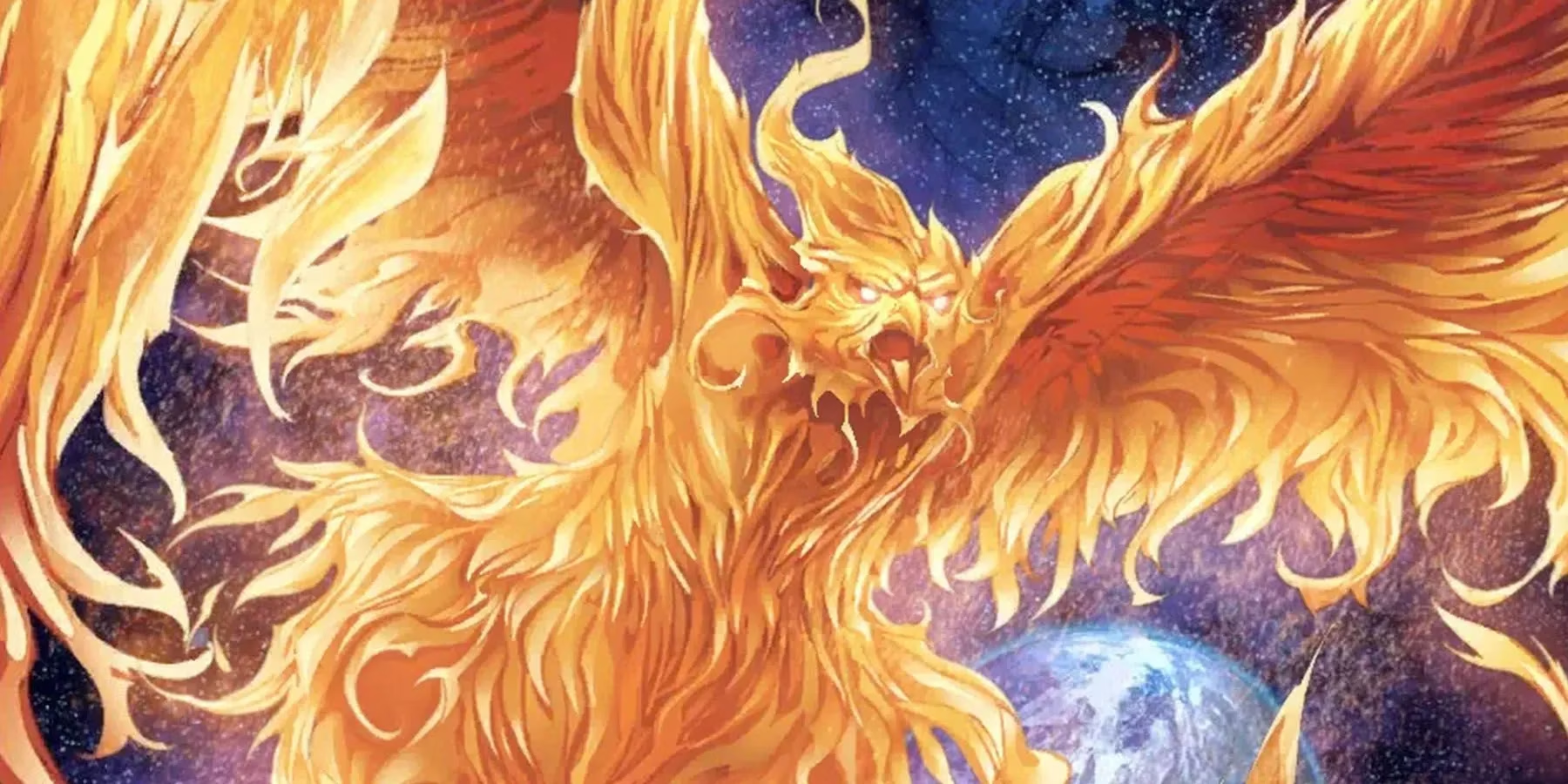
Let's talk about Marvel Snap first. When it launched, its success wasn't just a fluke. Sure, the snappy gameplay and quick matches were a huge draw, but its true powerhouse was the Marvel brand itself. Think about it: the game tapped into a vast, pre-existing repository of fan love. We weren't just collecting cards; we were assembling our own Avengers roster or building a villainous cabal. Every new expansion isn't just a content drop; it's an event. The thrill of seeing which hero or villain from the comics or the ever-expanding MCU will get a card next is a major part of the engagement loop. Remember when the Phoenix Force got its own card? That wasn't just a new mechanic; it was a moment for X-Men fans.
Now, shift gears with me to the fog-shrouded realms of Dead by Daylight. Its trajectory has been fascinating to watch. It started with its own original, creepy characters, but its metamorphosis into a horror hall of fame is its defining trait. The first time they added Michael Myers from Halloween, it was a game-changer—literally. They proved they could authentically capture the essence of these legendary icons. Since then, it's been a relentless parade of horror's greatest hits: Ghostface, Nemesis, Pinhead, and so many more. Each new licensed killer or survivor isn't just a skin; they come with unique powers, perks, and playstyles that fundamentally shift the meta-game. Just like a new Marvel Snap card can break an old deck, a new Dead by Daylight killer like Albert Wesker can redefine the entire trial experience for everyone.
This is where the magic happens. Both games have built their long-term viability on a foundation of cross-pollination with massive pop culture franchises. Their core gameplay loops are solid, but the constant injection of new, recognizable characters is the fuel that keeps the community buzzing. Here's how this strategy manifests in both titles:
-
Driving Hype and Discussion: A new DLC or expansion announcement for either game dominates gaming news. Will it be Jason Voorhees finally coming to Dead by Daylight? Which obscure Marvel character will get the Snap treatment next? This speculation is free marketing.
-
Refreshing the Meta: New characters mean new strategies. In Marvel Snap, a single new card can enable an entirely new archetype. In Dead by Daylight, a killer's unique power demands survivors adapt their entire approach. This prevents stagnation.
-
Tapping into Nostalgia and Fandom: Playing as your favorite hero or surviving against your most-feared movie monster creates powerful, emotional connections that go beyond simple gameplay.
Looking ahead to 2026 and beyond, this parallel path is only going to become more pronounced. The libraries of Marvel and horror history are deep, and both games have shown they're willing to dig into the classics and the contemporary. The future roadmap for both isn't just about balance patches or new modes (though those are important); it's about which iconic figure will join the fray next. This shared reliance on curated crossover content is their secret weapon. It means that while I'm snapping locations with a deck built around the latest MCU breakout star one minute, and desperately repairing a generator while a classic slasher stalks me the next, I'm fundamentally engaging with the same successful live-service philosophy. Two different worlds, one winning strategy. 🃏🔪
Comments