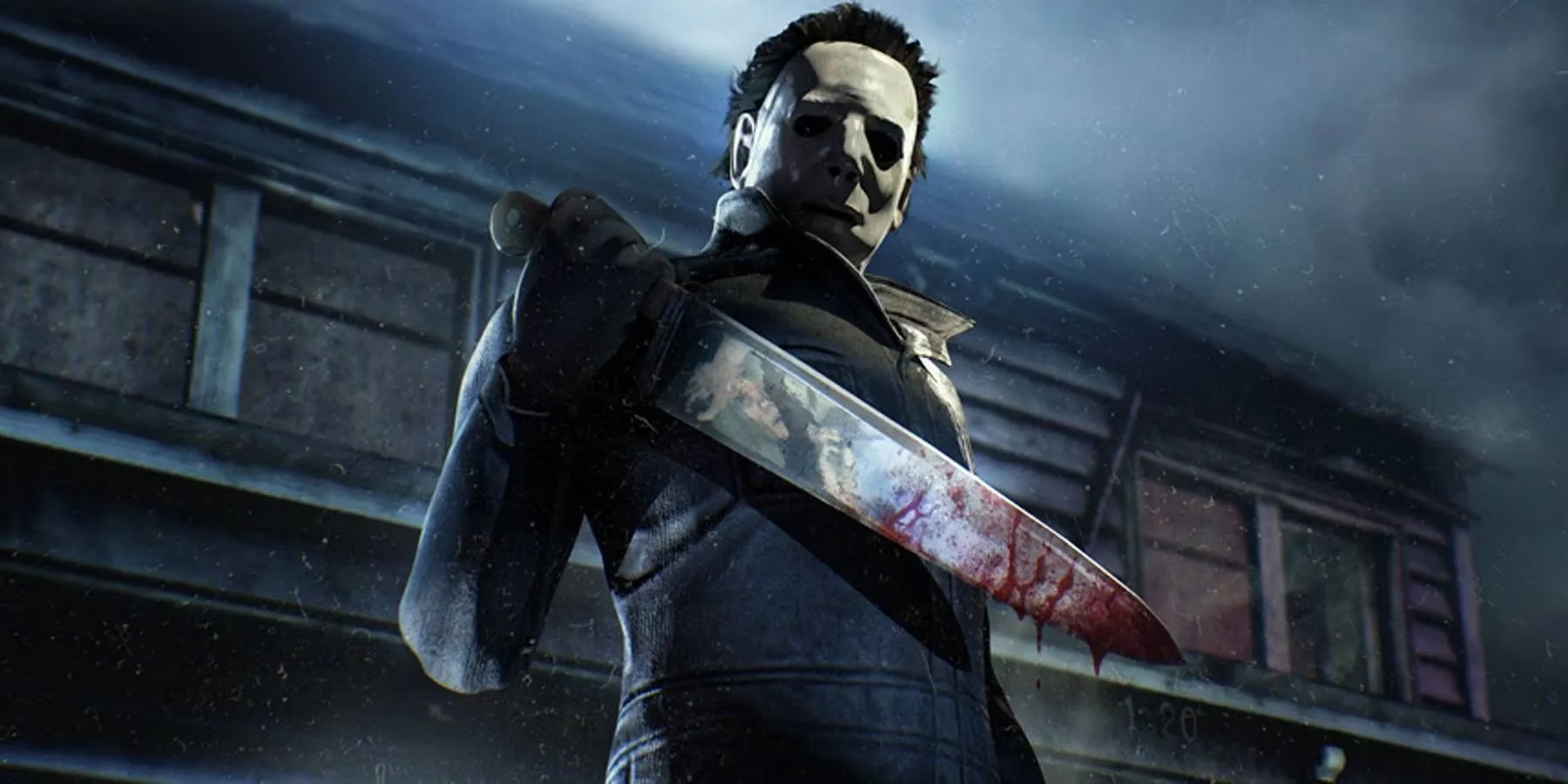
In the twisted realm of Dead by Daylight, the Killer stands as the dominant force, a hunter whose every move dictates the rhythm of the trial. While Survivors scramble and scheme, the Killer's presence alone can turn a map into a pressure cooker of fear. But let's be real, folks—it's not just about swinging a weapon; it's about playing smart and, sometimes, playing nice. A Killer's performance can make or break a match in minutes, and once that snowball of momentum starts rolling after an early sacrifice, good luck stopping it. Whether you're wielding one of the game's top-tier powerhouses or a more niche pick, you hold the keys to the trial's fate. Survivors have their tricks, but you have the ultimate authority: the power to permanently remove them from the game. Every Killer brings a unique toolkit to the table, unlike Survivors who share the same core mechanics. This means you've gotta adapt your approach for each one, but don't worry—there are some universal tips and unspoken rules that'll serve you well in 2026's meta.
The Art of Generator Patrol
Here's the deal: those glowing generator auras on your screen aren't just for show. They're your lifeline. Once five generators pop, Survivors are basically at the exit gates, so guarding these objectives is your number one job. You should generally avoid wandering into generator-dead zones of the map unless you're in a chase you're almost certain to win. Leaving generators unattended is like inviting Survivors to a repair party. Perks like Discordance and Surveillance are your best friends here—they'll ping you when multiple Survivors are on a gen or when progress resumes, letting you swoop in and break up the fun. Think of it as managing a portfolio of pain; you've gotta protect your assets.
Hook State Awareness: The Killer's Chess Game
Keeping mental tabs on who's been hooked and how many times is crucial, no matter your build. This isn't just about being mean—it's strategic. For example, if you stumble upon two Survivors fixing a generator, and one is on their first hook while the other is on their last, you know who to prioritize. Securing that elimination changes the entire momentum. However, there's a line. Taking out a Survivor right at the game's start, especially during bloodpoint bonus events like with Bloody Party Streamers or anniversary cakes, is widely seen as a party foul. That player gets robbed of gameplay and a potential bloodpoint jackpot. It's about reading the room... or in this case, the trial.
Glyph Challenges and the Unspoken Code
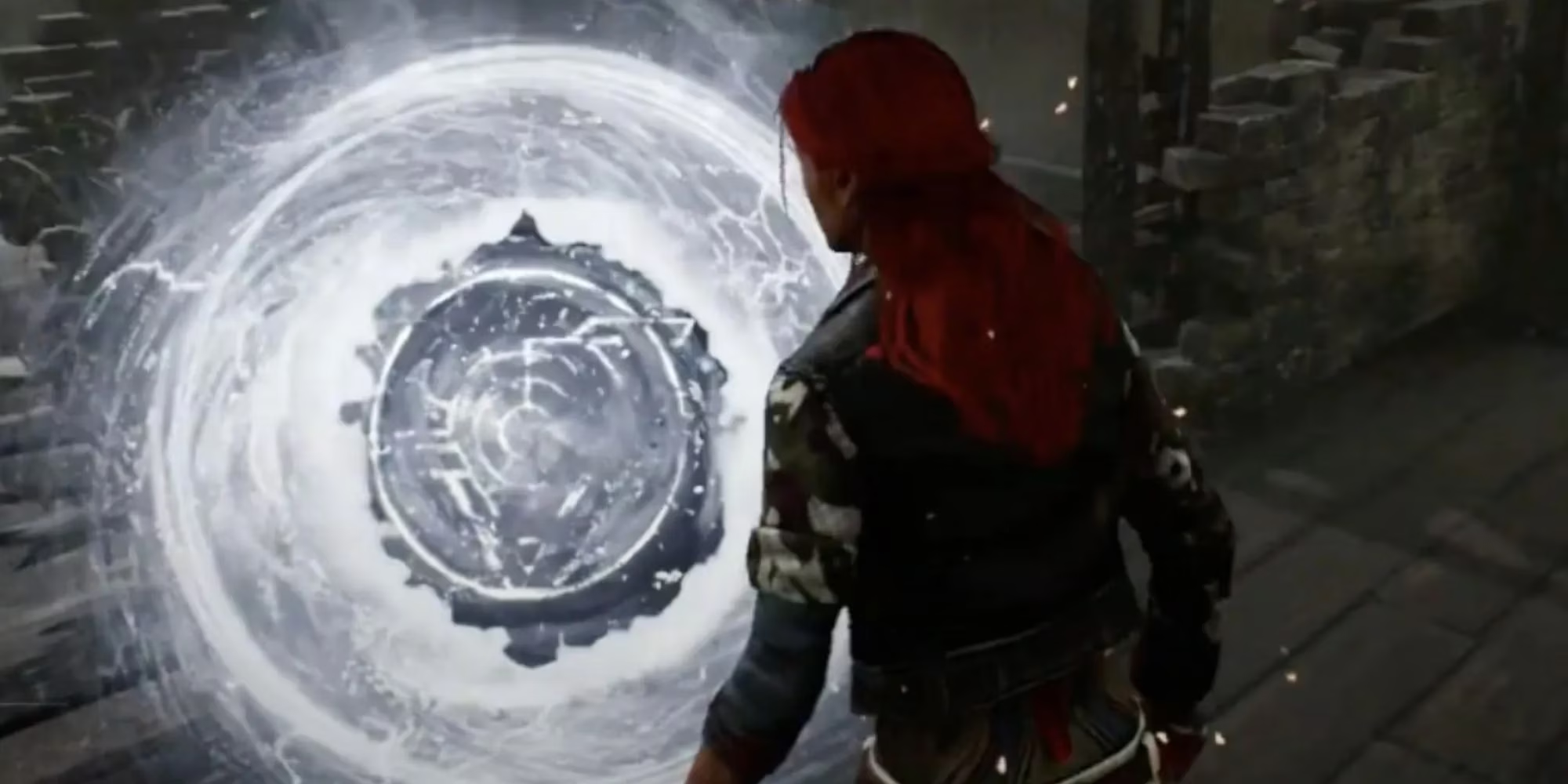
Ah, the infamous tome challenges. Some of the most frustrating involve those pesky, randomly-spawning glyphs. A Survivor has to stand still and commune with them, making them a sitting duck. Because these challenges can be such a headache, there's a strong community norm: don't attack a Survivor actively interacting with a glyph. It's just good sportsmanship. Many Survivors will even accept getting hit after they finish the glyph as a fair trade for the courtesy. Letting them complete it keeps the game enjoyable for everyone and avoids prolonging the grind. Sometimes, giving a little space makes the trial less toxic for all.
Pressure and Map Control
Your goal isn't just to chase; it's to control. Apply pressure across the map by breaking pallets, damaging generators, and using your power to zone Survivors. If you commit to a long chase in a dead zone, generators in other areas will fly. It's a balancing act—know when to break off and patrol. Different Killers excel at different things. A fast, mobile Killer can cover more ground, while a stealthy one might focus on ambushes near key generators. The map itself tells a story; listen to it.
The Human Element and Sportsmanship
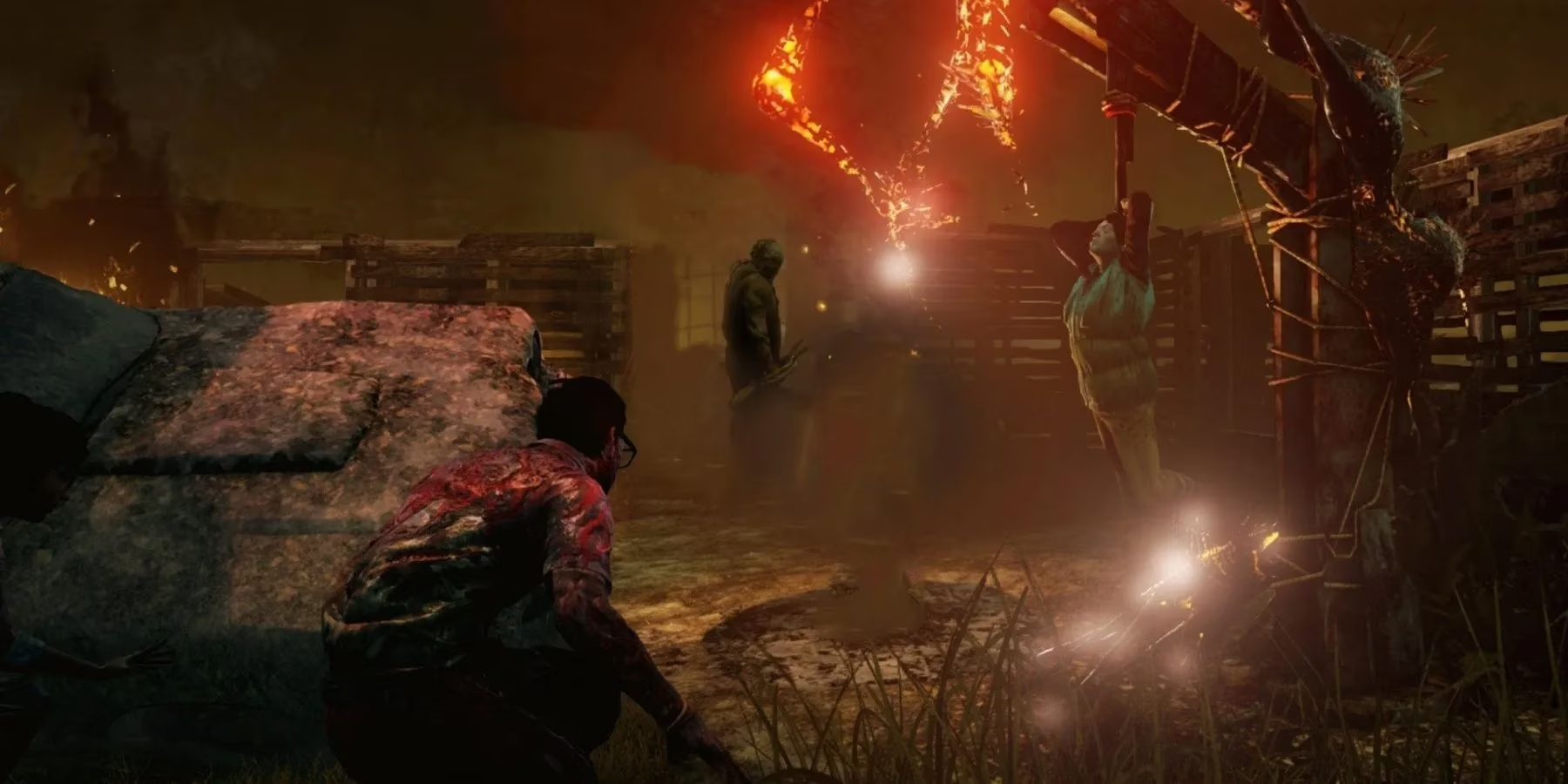
At the end of the day, you're playing against other people. The Killer is a power role, but you don't control everything. Even the scariest Killer will have Survivors escape sometimes—that's by design. A little common courtesy goes a long way. Beyond glyphs, this might mean not camping a hook excessively early in the game or acknowledging when a Survivor outplays you with a great move. The community in 2026 still values these nuances. It keeps matches from feeling like miserable slogs and preserves the thrilling cat-and-mouse heart of the game.
Adapting to Perks and Builds
Your perk setup can define your playstyle. Are you running an information build (like Barbecue & Chilli, Nurse's Calling) to always know where Survivors are? Or an anti-healing/anti-repair build to slow the game to a crawl? Maybe you prefer chase-oriented perks to down Survivors faster. Your choices here should complement your Killer's innate power. Don't just copy the meta; experiment to find what feels right for you. The game's balance is always shifting, so stay flexible.
Knowing When to Commit and When to Let Go
This might be the hardest skill to learn. You see a Survivor, and the instinct is to chase them to the ends of the Earth. But sometimes, the smart play is to break chase, especially if they're leading you far from generators or into a strong tile loop. Protecting your generators and applying map-wide pressure is often more valuable than a single hook. It's about efficiency. If a chase is taking more than 45 seconds without a hit, it's probably time to re-evaluate. Go check those generators!
Final Thoughts for the Modern Killer
Mastering the Killer role in Dead by Daylight is a blend of sharp strategy, mechanical skill, and a dash of empathy. You wield immense power, but with that comes a responsibility to keep the game engaging. By patrolling generators wisely, tracking hook states, respecting challenge progress, and maintaining map pressure, you'll become a formidable opponent. Remember the human on the other side of the screen, and you'll find your matches are not only more successful but also more enjoyable for everyone involved. Now go out there and give them a trial to remember—just maybe let them finish that glyph first. 😉
Comments