In the shadowy arena of asymmetrical horror gaming, two titans stand poised for a bloody confrontation that has players everywhere buzzing with excitement. On one side, there's Dead by Daylight—the undisputed kingpin that's been reigning supreme with its endless content parade. On the other, The Texas Chain Saw Massacre emerges from the basement, chainsaw roaring, ready to challenge the throne with mechanics so intense they'll make your palms sweat. While both games share that delicious cat-and-mouse DNA that horror fans crave, oh boy, are they different beasts when you peel back the skin. The Texas Chain Saw Massacre isn't just another clone; it's a whole new nightmare with three killer players instead of one, each bringing their own special brand of terror to the family dinner table.
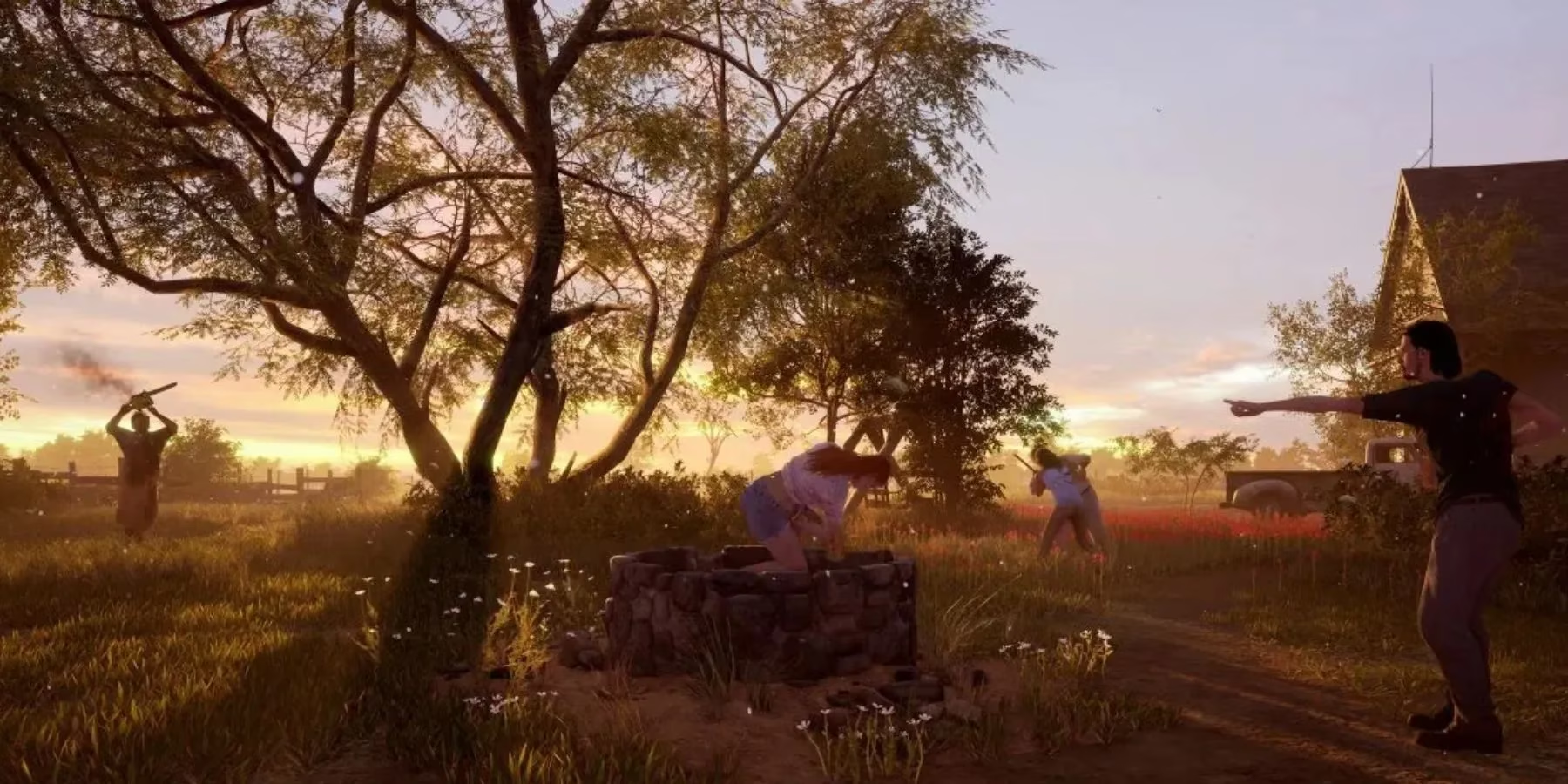
🩸 The Urgency Factor: Bleeding Out vs. Hanging Out
Let's talk about pressure—and not the kind you feel when bills are due. Dead by Daylight survivors can sometimes be, well, let's say... casual about their impending doom. They might fiddle around, wait for others to do the heavy lifting on generators, and basically treat the trial like a leisurely Sunday stroll through a haunted forest. There's no real punishment for being idle until those exit gates start buzzing. But The Texas Chain Saw Massacre? Honey, it doesn't play that game. Victims have a literal bleeding-out mechanic ticking down like a horror movie countdown clock. If you're sitting around hoping your teammates will save your bacon, you'll be dead meat before you can say "Grandpa's awake!" This brilliant design forces constant movement, cooperation, and strategy. You need to find healing items, help your fellow victims, and keep that blood inside your body where it belongs. It's like the game is whispering in your ear: "Move it or lose it, sweetheart."
👥 Team Dynamics: Family Dinner vs. Solo Survival
Here's where things get spicy. Dead by Daylight operates on a classic 1-vs-4 structure—one killer hunting four survivors. The Texas Chain Saw Massacre cranks that up to a chaotic 3-vs-4 family reunion from hell. Three killers, each with unique classes and abilities, working together like a well-oiled murder machine. The mind games in this setup are absolutely bonkers! On the victim side, teamwork isn't just recommended; it's essential for survival. You can't just repair generators and dip—you need to coordinate escapes, share resources, and watch each other's backs. The family side has its own intricate dance of cooperation, requiring players to pair abilities strategically to create an inescapable net of terror. It's not just about running; it's about outsmarting a coordinated hunting party.
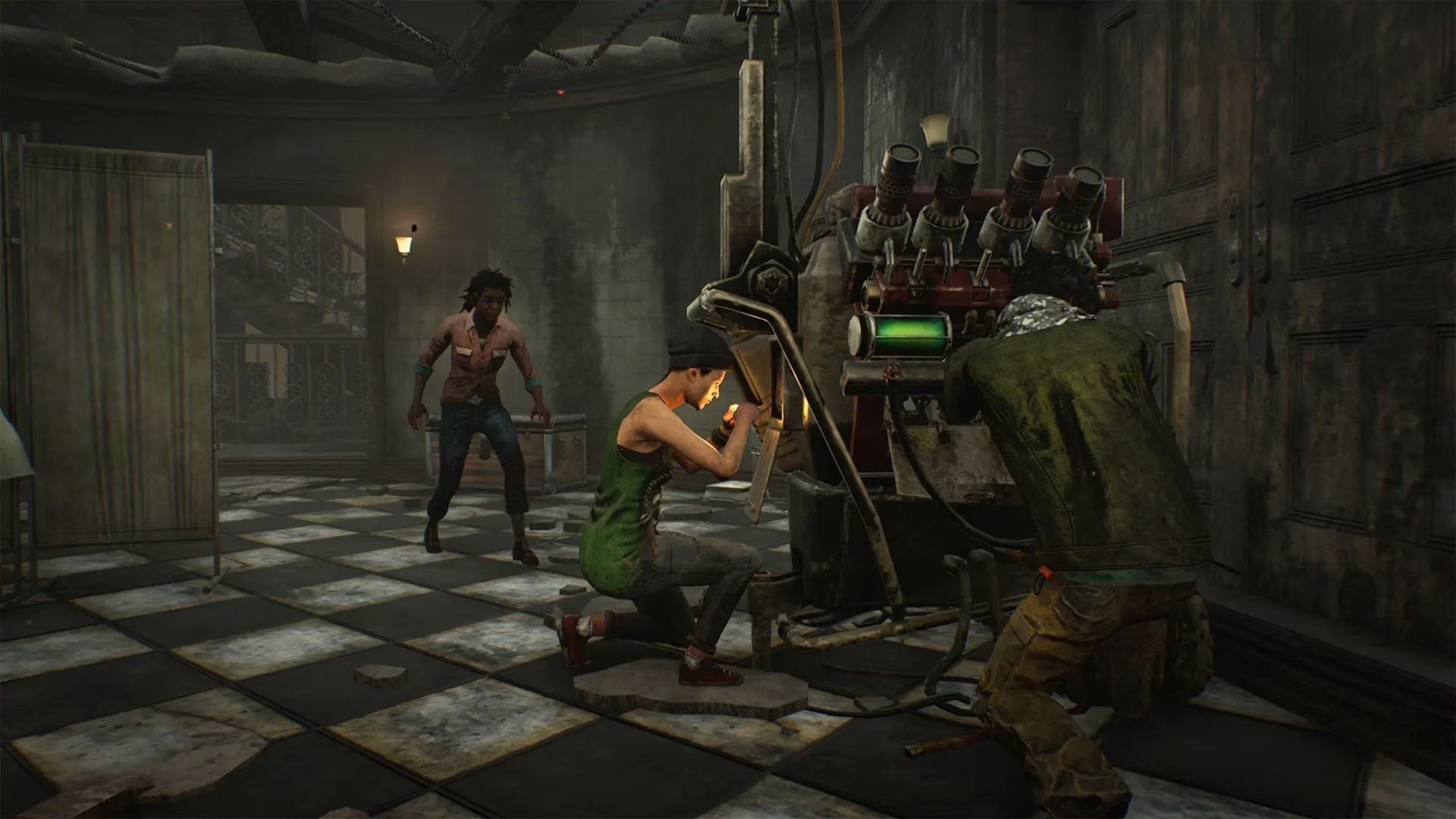
🎮 Gameplay Philosophy: Objective Variety vs. Generator Simulator
Dead by Daylight has its famous generator repair loop—and don't get us wrong, it works! But The Texas Chain Saw Massacre offers multiple escape routes and objectives that keep every match feeling fresh. Victims aren't just doing the same task five times; they're:
-
Picking locks
-
Disabling traps
-
Finding tools
-
Navigating complex maps with verticality
-
Dealing with Grandpa's supernatural senses
This variety means players must adapt on the fly and make strategic decisions about which escape path to pursue. Meanwhile, the family players aren't just patrolling generators; they're setting up defenses, feeding Grandpa to enhance his abilities, and covering different areas of the map. The strategic depth here is seriously next-level stuff.
😈 Community & Toxicity: A Different Kind of Horror
Let's keep it real—Dead by Daylight has developed a reputation for, shall we say, spicy player interactions. The "survive with friends" mode helps, but solo queue can feel like being thrown to wolves with teammates who might as well be playing a different game. The Texas Chain Saw Massacre's design naturally discourages selfish play because that bleeding-out mechanic means inactive players become dead weight (literally). The 3-vs-4 structure also changes the dynamic—with three killers communicating, there's less room for the toxic standoffs that can plague other asymmetrical games. It's more about coordinated hunting versus coordinated surviving, which creates a different social atmosphere entirely.
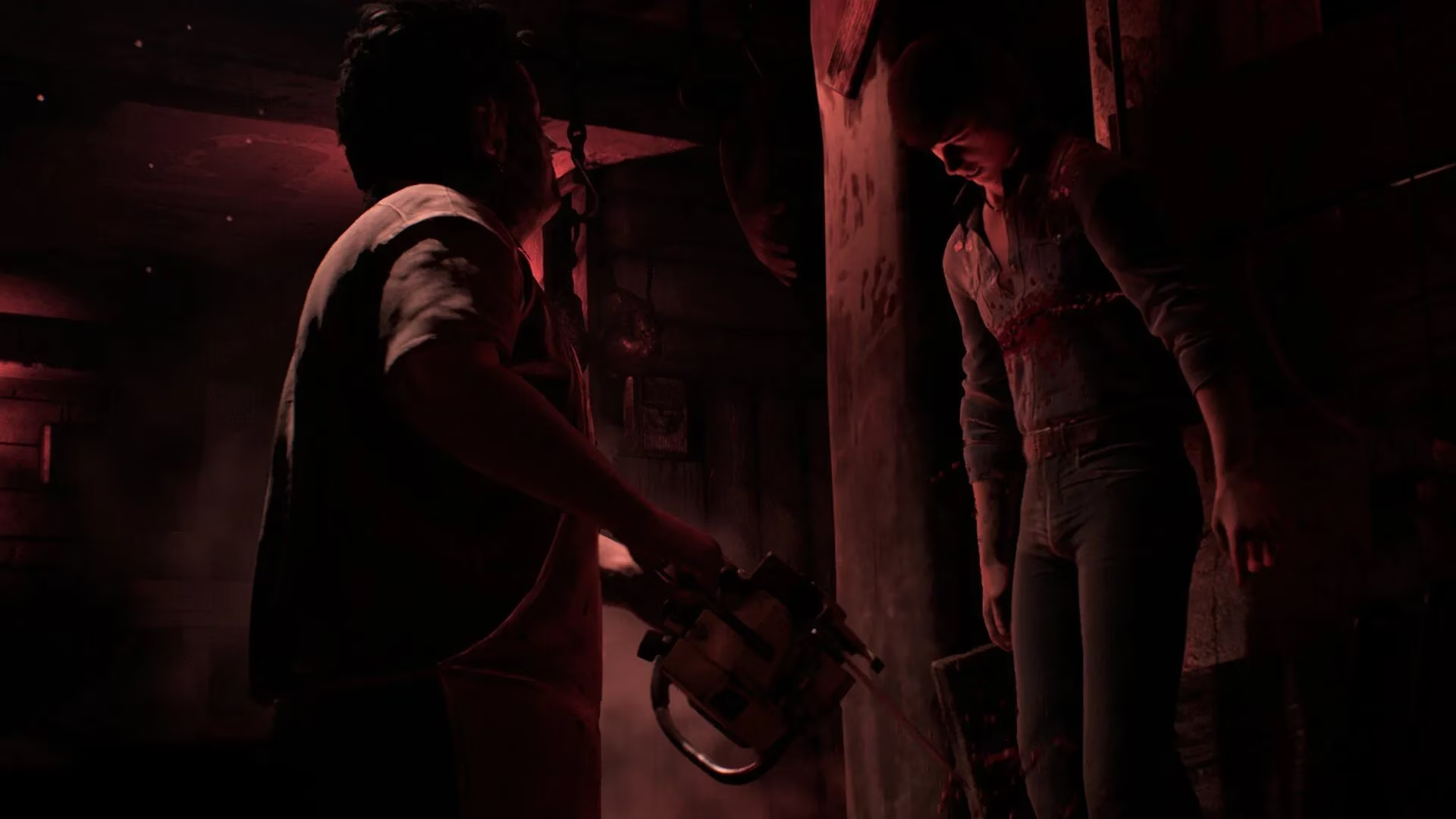
🔮 The Future of Horror Gaming
As we look toward 2026 and beyond, The Texas Chain Saw Massacre represents an evolution in asymmetrical horror that addresses many player complaints about the genre. It's not trying to be Dead by Daylight—it's carving its own bloody path with:
| Feature | Texas Chain Saw Massacre | Dead by Daylight |
|---|---|---|
| Killer Count | 3 players | 1 player |
| Urgency Mechanic | Bleeding-out timer | End-game collapse only |
| Escape Options | Multiple paths | Generators + gates |
| Required Teamwork | Essential for both sides | More solo-viable |
| Map Design | Multi-level, complex | Mostly flat layouts |
Both games will continue to thrive because they offer fundamentally different experiences. Dead by Daylight remains the content king with its constant stream of licensed characters and events. The Texas Chain Saw Massacre offers that raw, intense, team-based horror that makes you feel like you're in an actual movie. At the end of the day, horror fans win because competition breeds innovation, and both games will keep pushing each other to new terrifying heights. So grab your chainsaw or your toolbox—there's never been a better time to be scared silly with friends.
💀 The blood keeps flowing, the screams keep echoing, and in the world of asymmetrical horror, there's always room for one more at the dinner table...
Comments