In the shadowy corners of the digital realm, where nostalgia intertwines with innovation, a peculiar renaissance is unfolding. Is it not fascinating how the pixelated ghosts of 1990s horror and the grainy, glitchy aesthetic of 1980s VHS tapes have found new life in the year 2026? This is not merely a revival; it is a reimagining, a deliberate and artful homage crafted for a new generation of thrill-seekers. The slasher genre, long a cornerstone of cinematic terror, has undergone a metamorphosis, emerging from the flickering static of old televisions into the immersive worlds of interactive horror games. For those who yearn for the campy, low-budget charm of bygone eras, this modern wave offers a chillingly familiar embrace.
🎬 The VHS Aesthetic: A Deliberate Distortion
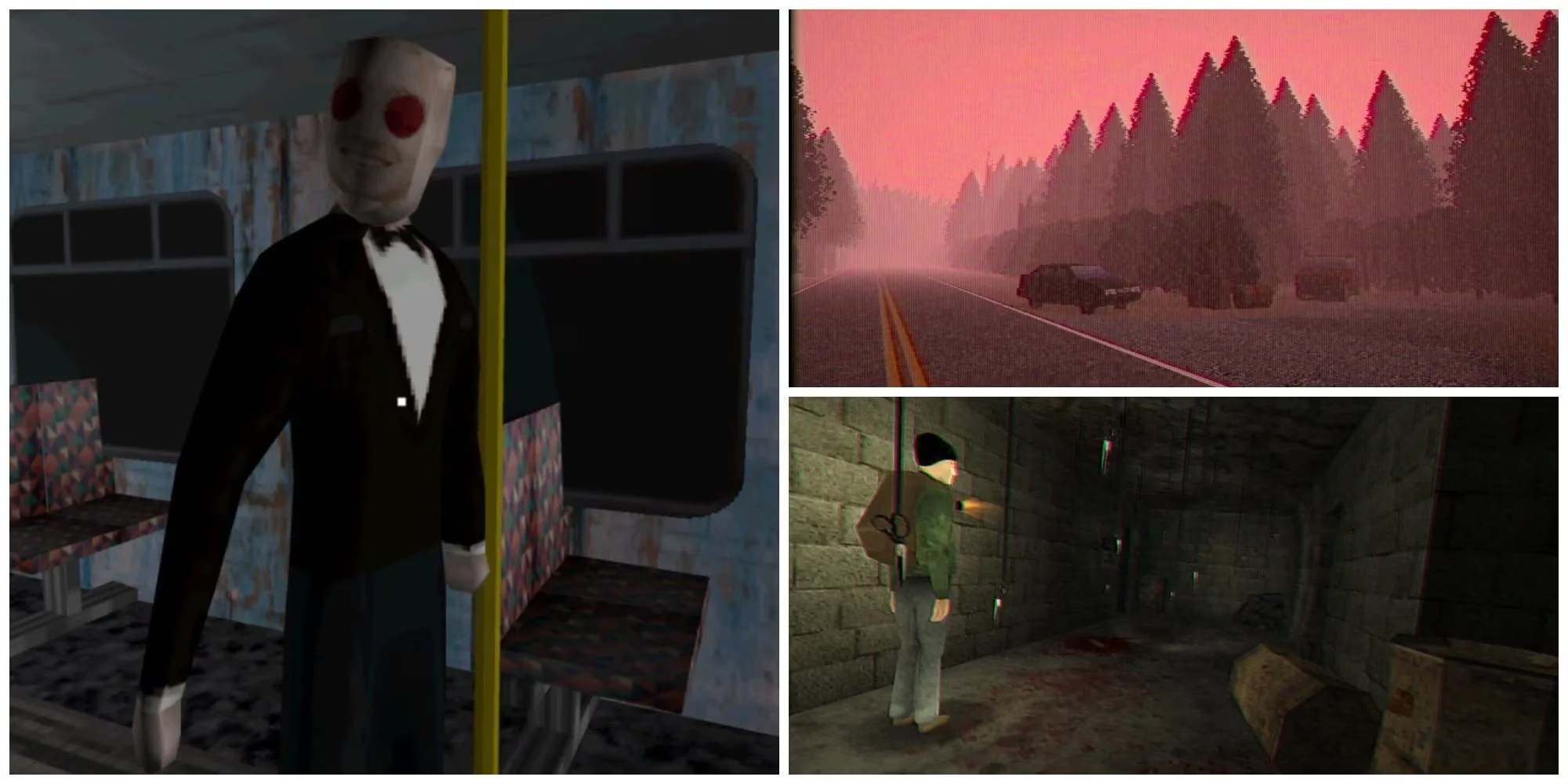
What is it about the flawed, imperfect visual of a decaying VHS tape that amplifies fear? Many contemporary titles have wholeheartedly adopted this aesthetic, not as a limitation, but as a powerful stylistic choice. Games like The Night Of The Scissors and Cannibal Abduction wrap their terrifying narratives in a cocoon of glitchy camera effects, scan lines, and muted, distorted colors. This visual language does more than evoke nostalgia; it creates a layer of psychological unease, a sense of witnessing something unstable and forbidden. The very medium becomes part of the horror. However, this commitment to authenticity is not without its challenges. Can a player truly immerse themselves if the visual distortion becomes overwhelming? Some titles, understanding this potential barrier, offer a reprieve. Bloodwash, for instance, proudly wears its "crusty PS1-style graphics" like a badge of honor but provides players the option to switch off its VHS filter, a nod to accessibility within its retro framework.
🕹️ Gameplay Mechanics: Echoes of a Golden Era
The spirit of classic survival horror is palpably alive in these games. One cannot help but notice the deliberate return to mechanics that defined the genre's infancy. Tank controls and fixed cinematic camera angles, hallmarks of titles like the original Resident Evil, have been resurrected with purpose. In Murder House, players navigate the terrifying home of the "Easter Ripper" using these deliberately clunky controls, which masterfully translate a sense of vulnerability and panic. The camera, shifting abruptly with each new room, frames scenes with the dramatic tension of a director's lens, often hiding threats just out of view. Furthermore, the cherished—and feared—limited save system makes a triumphant return. Cannibal Abduction replaces ink ribbons with audio tapes, forcing players to ration their moments of safety and consider every risk. This scarcity transforms simple progression into a series of high-stakes decisions.
| Game Title | Core Inspiration | Key Retro Mechanic |
|---|---|---|
| The Night Of The Scissors | PSX-era horror, VHS slashers | Tank controls, cinematic cameras |
| Cannibal Abduction | Original Resident Evil | Limited tape saves, inventory management |
| Murder House | 80s B-movie slashers | Tank controls, hardcore save system |
| Camp Sunshine | 80s summer camp horror (e.g., Friday the 13th) | 16-bit pixel art, narrative/puzzle focus |
🏕️ Narrative Tropes: Familiar Grounds, New Fears
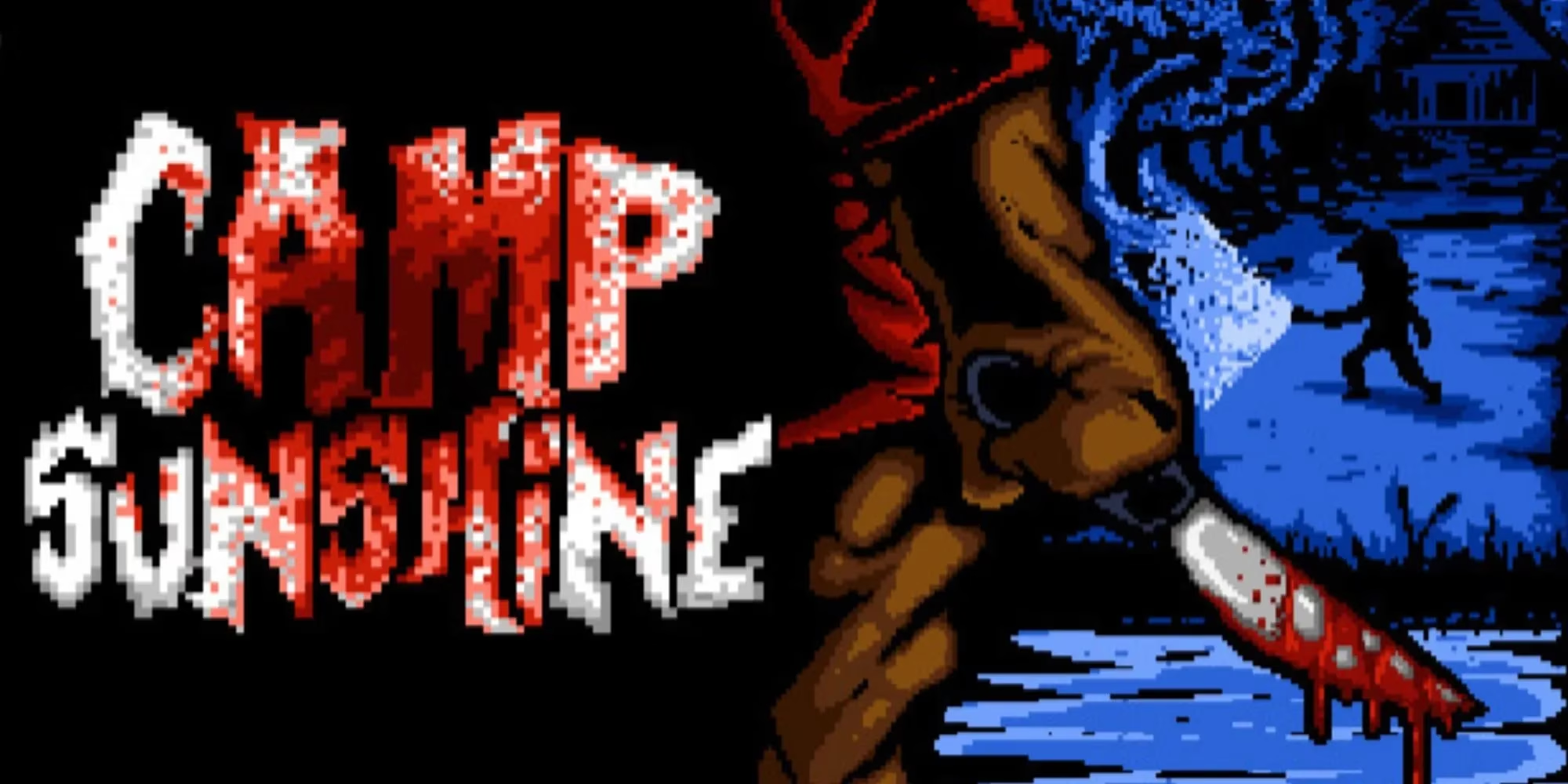
The settings and stories of these games are lovingly pulled from the well-worn pages of slasher lore. Is there any location more ripe for terror than the isolated summer camp? Camp Sunshine takes this classic premise and injects it with a uniquely persistent dread, its killer bear mascot evoking the relentless pursuit of Resident Evil's Mr. X, but within a charming 16-bit world. Meanwhile, The Night Of The Scissors traps players in an abandoned post office, a mundane location turned labyrinthine deathtrap. The narrative often focuses on ordinary people in extraordinary circumstances: a trip to a laundromat in Bloodwash becomes a fight for survival, while a simple investigation in Lights Camera Slaughter descends into a nightmare within a slaughterhouse. These games understand that horror is most potent when it invades the commonplace.
🔪 The Hunter and The Hunted: Dynamics of Terror
The core dynamic of the slasher—a methodical hunter stalking vulnerable victims—is explored through varied gameplay. Stealth and evasion are often prioritized over combat. In Stay Out Of The House, players are not heroes but captives, using immersive-sim elements to outthink a cannibal butcher, perhaps by turning his own traps against him. The game's reactive AI ensures no two escapes feel the same. This contrasts beautifully with the experience offered by a title like Dead by Daylight. Though a higher-budget anomaly on this list, it captures the group dynamics of slasher films unlike any other. One player becomes the Killer, while four others become Survivors, creating emergent stories of cooperation, betrayal, and desperate chases across procedurally generated maps. It asks the question: In a slasher film, would you be the final girl, the lone wolf, or the first victim?
🎭 Beyond Emulation: Interactive Storytelling
Some experiences push past mere aesthetic homage to become interactive cinema. Until Dawn, a PlayStation exclusive that remains a benchmark, is essentially a playable slasher film. With its ensemble cast and infamous "butterfly effect" system, every dialogue choice and quick-time event can seal a character's fate. It masterfully replicates the tension of watching a horror movie while granting the player the agonizing responsibility of directing it. Similarly, the prologue for Lights Camera Slaughter builds atmosphere not just through visuals but through its narrative, placing players in the role of a 911 operator guiding an officer through a horrifying situation, creating a slow-burn tension that is deeply effective.
✨ Conclusion: A Love Letter Written in Static and Shadows
The retro slasher horror game movement is more than a trend; it is a testament to the enduring power of a specific kind of fear. It proves that technological advancement does not solely define terror—that sometimes, constraint breeds creativity, and nostalgia can be a pathway to genuine dread. These games are love letters, painstakingly written in the language of pixelated blood, synth soundtracks, and VHS degradation. They remind us that the simplest concepts—a masked killer, a dark place, the struggle to survive—can be endlessly compelling. For players in 2026 seeking an experience that is both comfortingly familiar and nerve-wrackingly fresh, these titles offer a gateway. They ask us to revisit the past, not to hide in it, but to see how its shadows can still stretch long into our present, flickering invitingly from the screen. Will you press play?
Comments