The horror gaming landscape in 2026 continues to evolve, yet one fundamental truth remains for dedicated players seeking the most immersive and responsive frights: certain experiences are simply elevated by the precision and flexibility of a keyboard and mouse setup. While controllers offer comfort, the genre's most intense moments—those requiring split-second reactions, precise inventory management, and fluid camera control—often find their perfect partner in the traditional PC peripherals. But what is it about this setup that makes it so crucial for survival in these digital nightmares? The answer lies in the enhanced control scheme that allows players to fully engage with the terrifying worlds developers craft.
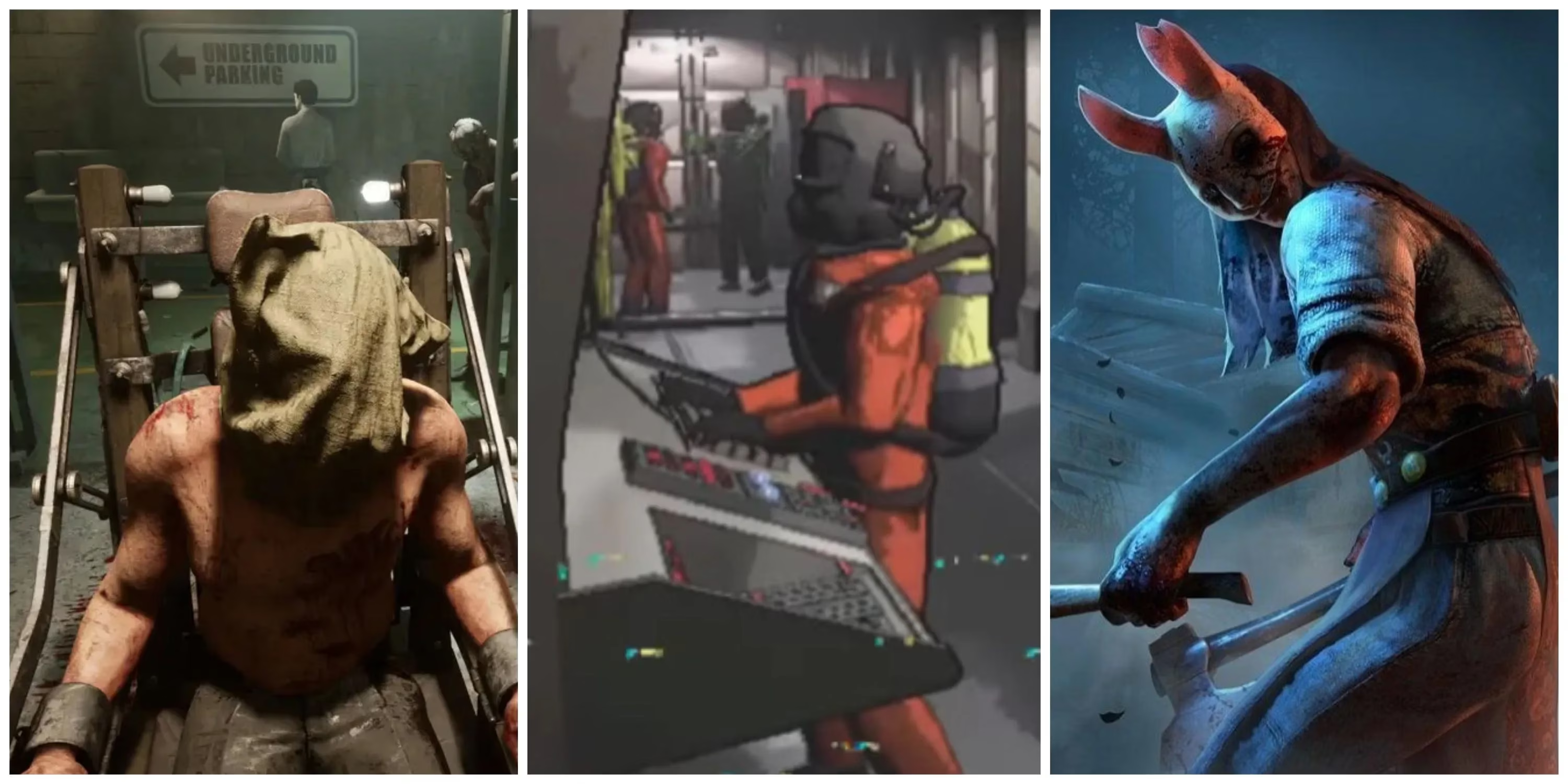
Why Keyboard and Mouse Reign Supreme in Horror
Before diving into specific titles, let's examine the core advantages this control method provides:
-
Precision Aiming & Camera Control: A quick flick of the mouse allows for instant 180-degree turns to check behind you—a vital skill when something is lurking in the shadows.
-
Rapid Inventory Management: Horror games often involve juggling limited resources. Keyboard hotkeys let players swap between flashlights, keys, and health items without fumbling through radial menus.
-
Enhanced Interaction: The ability to click, drag, and combine items intuitively mirrors real-world actions, deepening immersion during tense puzzle-solving sequences.
-
Superior Movement: WASD keys provide distinct directional input, allowing for precise strafing and backpedaling during chase sequences, which can be the difference between life and a gruesome death.
The Definitive Horror Experiences for Keyboard and Mouse
Lethal Company: Scavenging with Speed
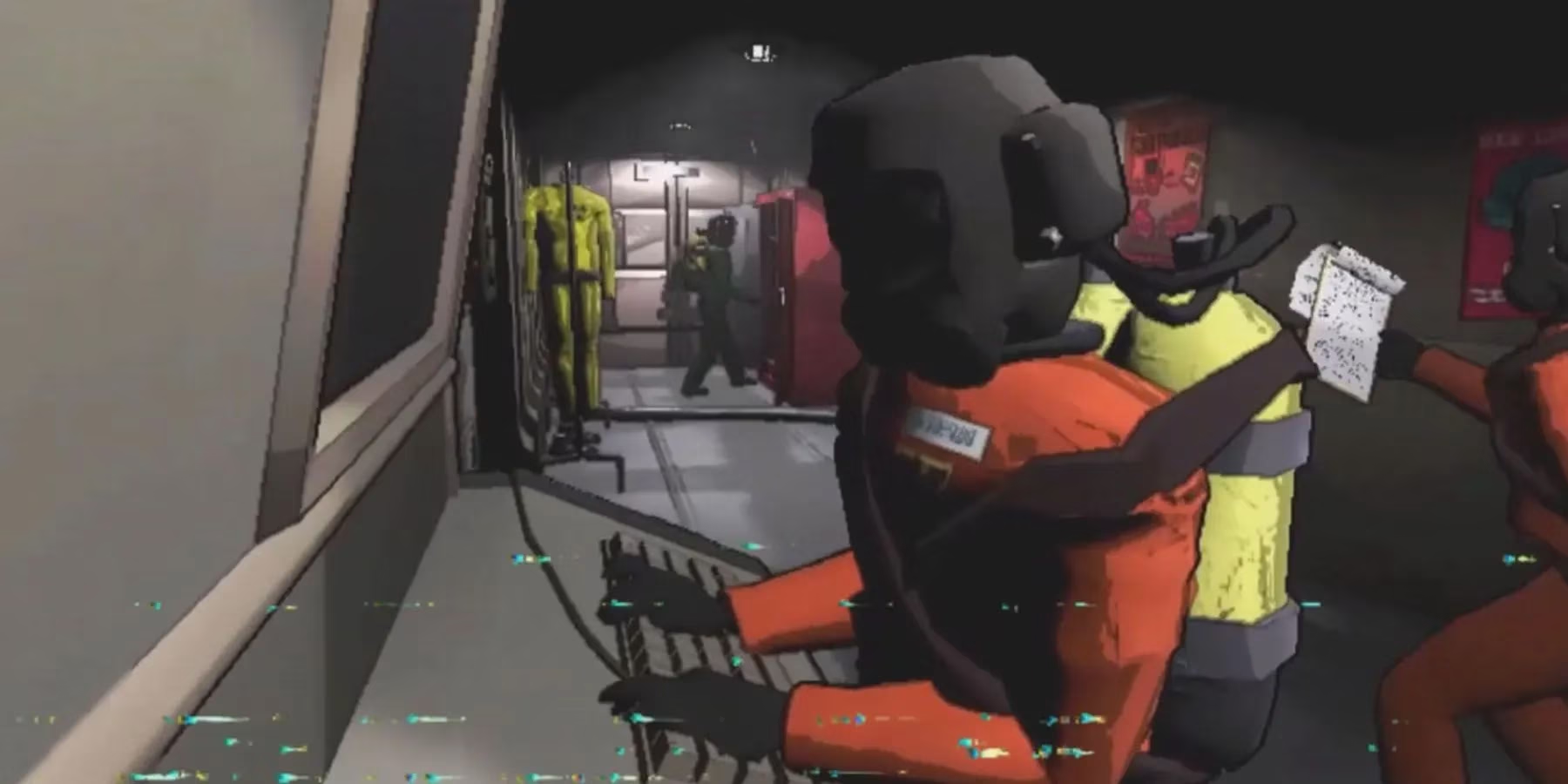
The cooperative horror-comedy phenomenon, Lethal Company, demands quick thinking and even quicker fingers. Players scavenge derelict moons for scrap while avoiding environmental hazards and a menagerie of monsters. The chaotic nature of the game makes a keyboard and mouse the definitive way to play.
Why it's better on KBM:
-
Gear Switching: Instantly swap between the scanner, shovel, or walkie-talkie with number keys during a frantic escape.
-
Door Control: Rapidly open and slam doors shut with a click to delay pursuing creatures.
-
Camera Pivoting: Swiftly scan dark corners and ceilings with the mouse to spot threats before they spot you. Could a controller ever keep up with the pace required in a facility filled with Brackens and Eyeless Dogs?
Amnesia: The Dark Descent - A Classic Reborn
The game that defined modern first-person psychological horror, Amnesia: The Dark Descent, remains a benchmark for immersion. Its interactive environment is perfectly suited for keyboard and mouse controls, pulling players deeper into its terrifying narrative.
Why it's better on KBM:
-
Physical Interaction: Dragging drawers open, combining items for puzzles, and manipulating objects feels natural with mouse controls.
-
Atmospheric Control: Managing your lantern's oil and sanity while navigating pitch-black corridors requires a control scheme that doesn't fight you. The tactile feel of clicking to light a match or wind a music box is irreplaceable.
Dead by Daylight: The Competitive Edge
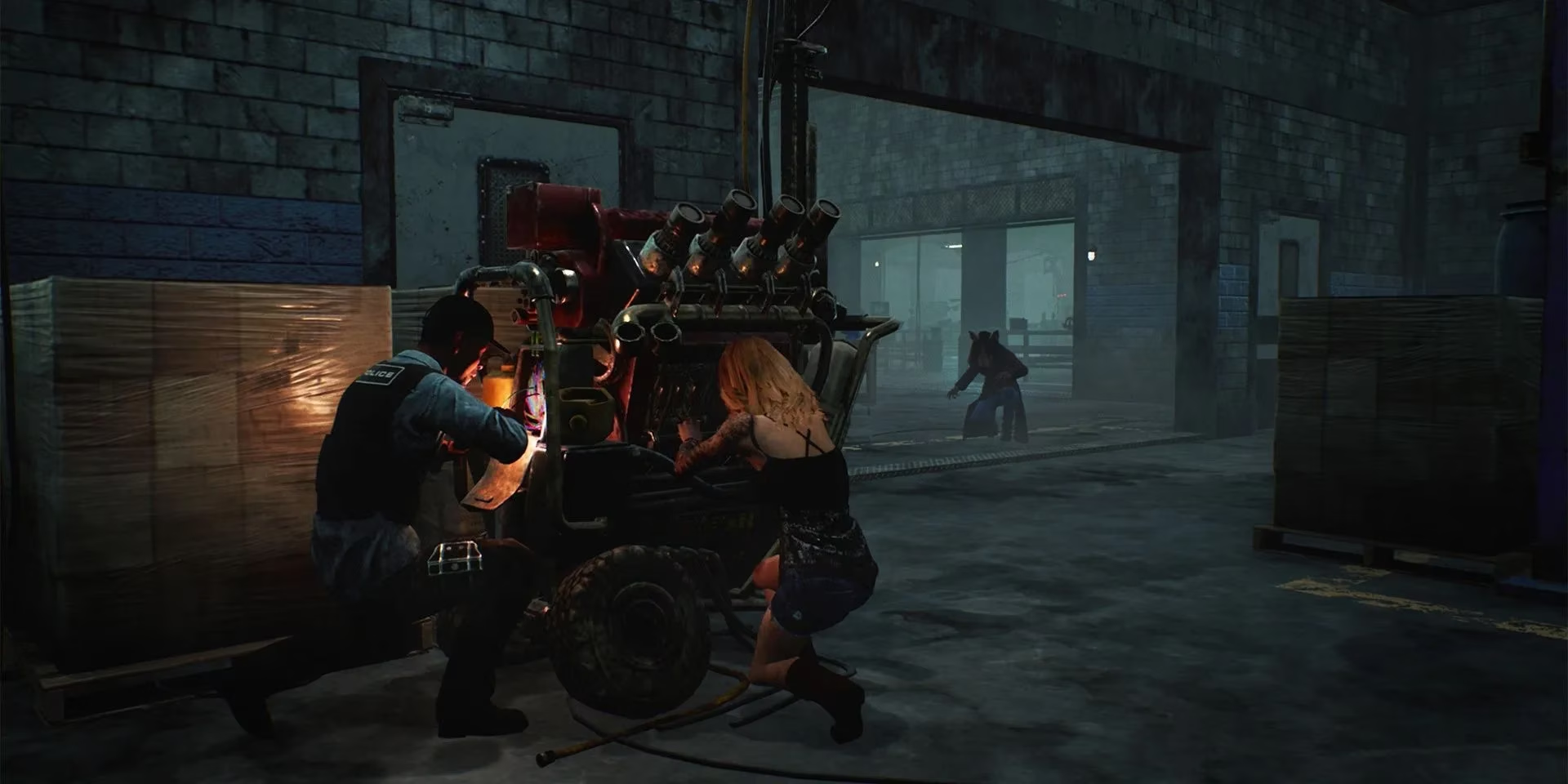
In the asymmetrical horror staple Dead by Daylight, every millisecond counts. Whether you're a Survivor desperately repairing generators or a Killer hunting your prey, precision controls can tip the balance.
Advantages for each role:
| Role | Keyboard & Mouse Benefit |
|---|---|
| Survivor | The infamous "360 juke"—spinning your character rapidly to make the Killer miss an attack—is executed far more reliably with a mouse. Quick vaults and pallet drops also benefit from the instant directional input. |
| Killer | First-person perspective killers gain immense benefit from the smooth, rapid camera rotation of a mouse, allowing them to track Survivor movements during loops and chases with deadly accuracy. |
Phasmophobia: Ghost Hunting with Precision
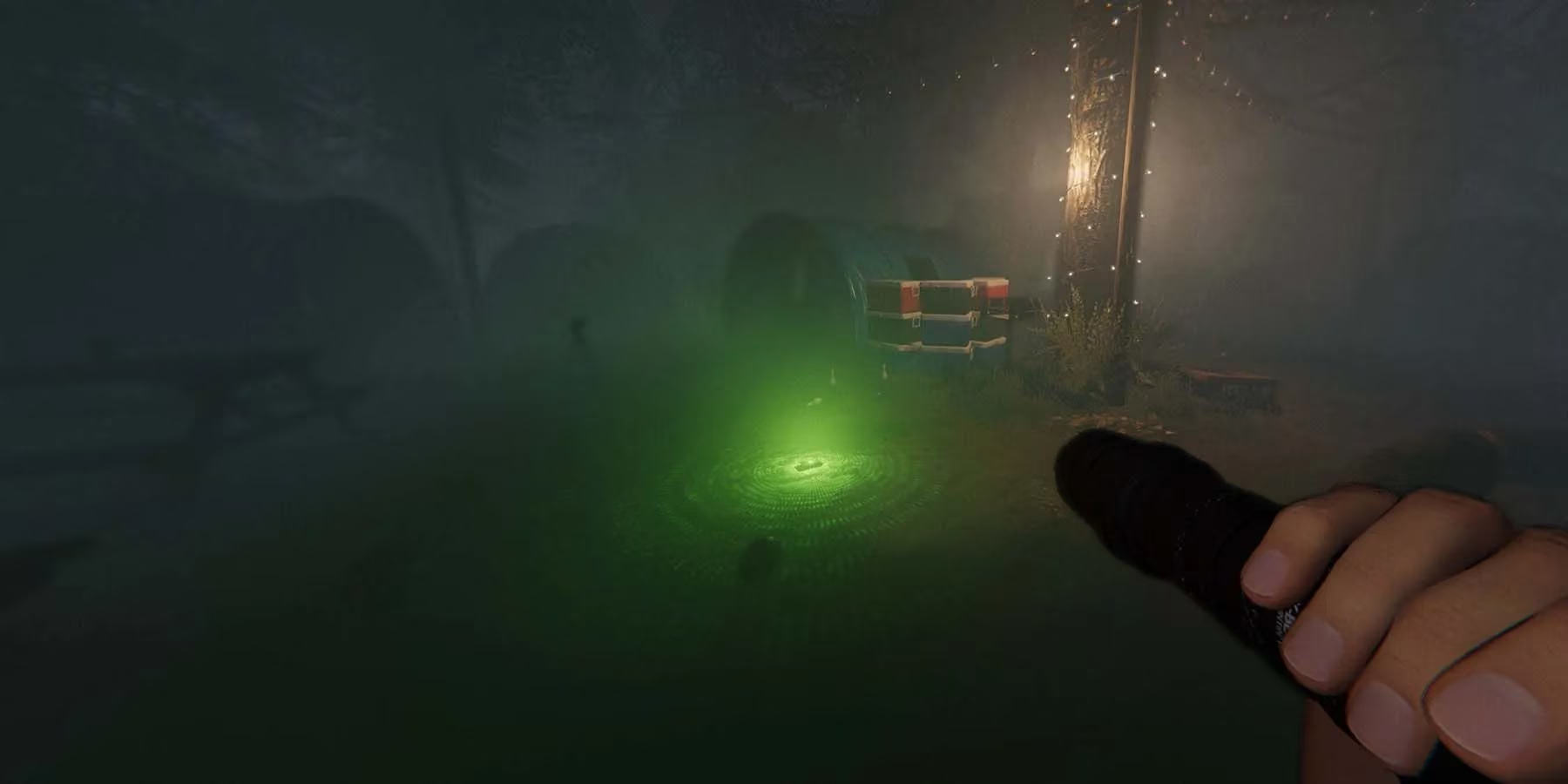
The ultimate paranormal investigation simulator, Phasmophobia, tasks players with identifying ghost types using specialized equipment. The game's design is inherently built for PC, making keyboard and mouse not just better, but essential for its core gameplay loop.
Why it's better on KBM:
-
Equipment Management: Juggling the EMF reader, spirit box, video camera, and UV light is seamless with keyboard shortcuts. Can you imagine trying to select the right tool from a radial menu while a ghost is hunting you?
-
Environmental Interaction: Clicking to place motion sensors, drag doors shut, or hold down a push-to-talk key for local chat are intuitive actions that keep you in the moment.
-
Evidence Logging: Quickly typing ghost behaviors or evidence into the journal with a keyboard is far faster than any console input method.
The Outlast Trials: Cooperative Terror
While the Outlast series has always been terrifying, The Outlast Trials introduces cooperative madness. Navigating its sadistic trials with friends requires coordination and quick reactions, areas where keyboard and mouse excel.
Why it's better on KBM:
-
Evasion and Agility: Darting through complex environments, sliding under obstacles, and quickly looking around corners is more responsive.
-
Puzzle Solving: Many trials involve manipulating objects under pressure. The direct click-and-drag control scheme reduces frustration during these tense moments.
Five Nights at Freddy's: Point-and-Click Panic
The original office-bound horror of Five Nights at Freddy's functions almost like a strategic point-and-click game. Monitoring cameras, closing doors, and conserving power is a test of multitasking and calm under pressure.

Why it's better on KBM:
-
Camera Mastery: Clicking between camera feeds on a dual-monitor setup (or a large single screen) is instantaneous and precise.
-
Multitasking: The ability to quickly move the mouse to check the right door light, then over to a camera feed, then back to the door button, creates a fluid and panic-inducing rhythm that a controller's analog stick cannot match. Isn't the core horror of FNAF the feeling of being overwhelmed by tasks? The keyboard and mouse setup perfectly facilitates that feeling.
Conclusion: The Unmatched Immersion of Precision
As horror games continue to push boundaries in 2026, striving for ever-greater immersion and player agency, the keyboard and mouse combination remains a cornerstone for the purest form of interactive fear. The tactile feedback of a key press, the swift certainty of a mouse movement—these elements transform gameplay from merely witnessing a horror story to actively surviving within one. For players who want to face their digital fears with every advantage, from the chaotic scavenging runs of Lethal Company to the silent stalking in Dead by Daylight, there is simply no substitute. The question isn't just about which control scheme is easier, but which one allows you to be fully consumed by the terrifying, thrilling worlds these masterpieces create.
Comments